What is an Automatic Fire Shutter and How Does it Work?
An Automatic Fire Shutter is a vital safety feature in many buildings. It helps protect against the spread of fire. These shutters can close automatically when a fire is detected. But how do they work?
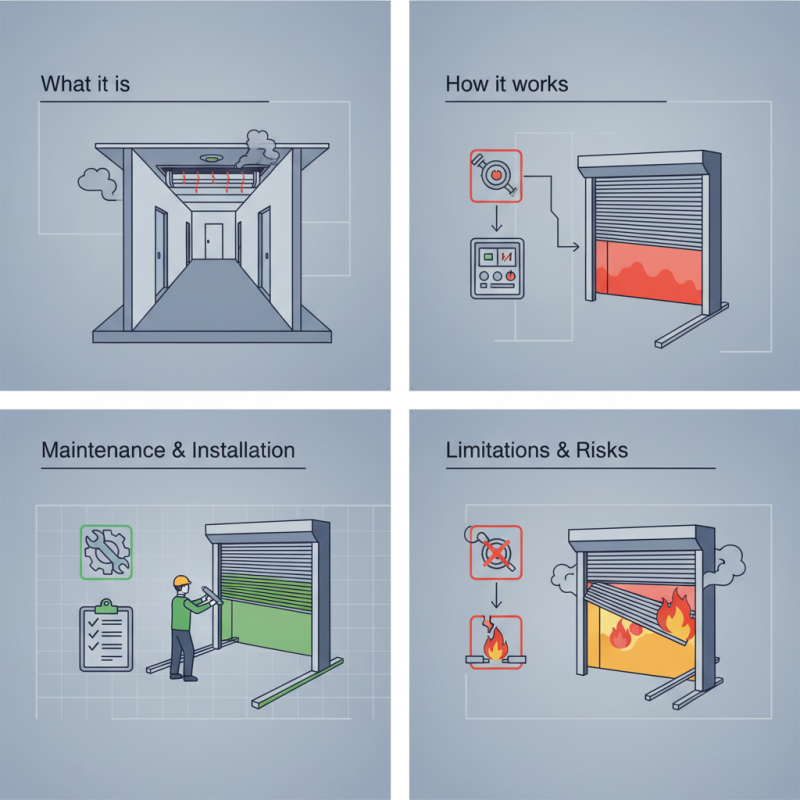
In essence, an Automatic Fire Shutter relies on sensors and a control system. Smoke or heat triggers the mechanism. The shutters then descend, sealing off areas. This design aims to contain fires, minimizing damage and protecting lives. Yet, there are imperfections in the system. If sensors fail, the shutters won't function efficiently. Regular maintenance is essential to ensure reliability.
Understanding the role of Automatic Fire Shutters is crucial in fire safety planning. They must be installed properly to be effective. Awareness of their limitations is also important. Design flaws or installation errors can introduce risks. Thus, proper training and regular checks are necessary to optimize their function.
Understanding the Definition of Automatic Fire Shutter
An automatic fire shutter is a crucial safety feature in modern buildings. It is designed to prevent the spread of fire and smoke between different sections of a structure. These shutters automatically close when a fire is detected. This helps contain the blaze, allowing time for evacuation and firefighting efforts.
According to industry reports, buildings equipped with automatic fire shutters can reduce fire damage by up to 60%. This statistic highlights the effectiveness of these systems. They not only save lives but also protect valuable property. The shutters are usually made from non-combustible materials. Their operation relies on sensors and alarm systems, which trigger a closure when smoke is detected.
However, there are challenges. Regular maintenance is essential. Sometimes, shutters may malfunction or fail to close properly, delaying response times. A 2022 safety report indicated that 15% of fire incidents involved improperly functioning shutters. This raises questions about the reliability of installation and upkeep. Awareness and education on maintenance procedures can greatly improve overall safety.
The Key Components and Mechanisms of Fire Shutter Functionality
Automatic fire shutters are crucial for fire safety in buildings. These devices are designed to restrict the spread of flames and smoke. A typical fire shutter consists of several key components. These include the shutter curtain, drive mechanism, and sensors. The curtain is usually made from fire-resistant materials. It deploys automatically when a fire is detected.
The drive mechanism plays a vital role. It can be electric, pneumatic, or even hydraulic. Sensors detect smoke or heat levels. When triggered, they activate the drive mechanism. This causes the shutter to close, creating a barrier against fire.
Tips: Regular maintenance is essential. Check the sensors and mechanisms every few months. Make sure the fire shutter moves freely. It can be easy to forget, but this oversight can have serious consequences.
Another thing to consider is the type of fire shutter installed. There are different options like manual, automatic, and electrically controlled. Understand your building's needs. This will help in selecting the best fit. The wrong choice might not provide adequate protection. Always seek guidance if unsure.
How Automatic Fire Shutters Detect and Respond to Fire Threats
Automatic fire shutters are essential safety features in modern buildings. They serve to compartmentalize fire risks, slowing down the spread of flames. These shutters typically respond swiftly to heat and smoke, activated by advanced detection systems. When a fire threat is detected, they descend rapidly, creating barriers that protect lives and property.
Fire detection mechanisms play a crucial role. Smoke detectors and heat sensors are often integrated with these shutters. When smoke or unexpected temperatures are identified, signals are sent to the shutter control system. This activation occurs within seconds, providing crucial time for evacuation. However, there can be flaws in detection systems. False alarms may happen, or detectors might fail due to dirt or hardware issues. Regular maintenance is important to ensure reliability.
Tips: Always test your fire detection system monthly. Clean sensors regularly to avoid malfunction. Educate staff on emergency protocols. Understanding how these systems operate is key. This knowledge can save lives in a crisis. Remember, a well-maintained fire shutter can be a building's best defense.
Installation and Maintenance Guidelines for Fire Shutter Systems
Automatic fire shutters are critical in fire safety systems. They act as barriers to slow the spread of smoke and flames. Proper installation is essential for effectiveness. The Fire Protection Research Foundation reports that proper installation can reduce property damage by up to 40%. It is vital to follow the manufacturer’s guidelines closely.
Maintenance is a crucial aspect of fire shutter systems. Regular inspections are necessary to ensure they operate correctly. Experts suggest checking the mechanical parts bi-annually. Something as simple as a misaligned sensor could render a fire shutter useless. The National Fire Protection Association (NFPA) indicates that negligence in maintenance worsens fire risks significantly.
In addition, notifications and training for staff can enhance fire safety. Many organizations neglect staff education on fire shutter operation. This results in panic and confusion during emergencies. Regular training sessions can prepare employees properly. A well-informed team can help mitigate potential damages. Awareness about fire shutter functionality is often overlooked, yet it is vital for safety protocols.
Applications and Benefits of Automatic Fire Shutters in Safety Protocols
Automatic fire shutters play a critical role in enhancing safety protocols across various industries. These devices are designed to block fire and smoke from spreading, thus protecting lives and property. According to the National Fire Protection Association (NFPA), nearly 60% of all fire-related injuries occur in buildings without proper fire containment systems. This highlights the importance of automatic fire shutters in maintaining safe environments.
These shutters are commonly used in commercial buildings, warehouses, and high-rise structures. Their rapid deployment is crucial during a fire emergency. In fact, research indicates that buildings equipped with automatic fire shutters can reduce the spread of fire by up to 75%. This significant reduction time can be the difference between containment and catastrophic damage. However, many establishments still overlook the installation of these critical safety features, leading to increased vulnerability.
Moreover, the maintenance of automatic fire shutters is essential. A malfunctioning shutter can compromise safety protocols. Inspections should occur regularly to ensure these devices operate effectively. Despite their advantages, some facilities struggle with the costs of purchasing and maintaining these shutters. This can lead to a troubling paradox: prioritizing cost over safety. Addressing these concerns is vital for achieving a comprehensive safety strategy.
Applications and Benefits of Automatic Fire Shutters