Understanding the Benefits of Using a 400hz to 60hz Converter for Your Electrical Systems
In the rapidly evolving landscape of electrical systems, the need for efficient power conversion has become paramount. The utilization of a 400hz to 60hz converter is increasingly recognized as a critical component in optimizing energy systems across various industries. According to a report by the International Electrotechnical Commission, the global market for frequency converters is projected to reach $10 billion by 2025, highlighting an annual growth rate of over 5%. This growth is driven by the rising demand for energy-efficient solutions and the integration of advanced technologies in sectors such as aerospace, marine, and industrial automation.
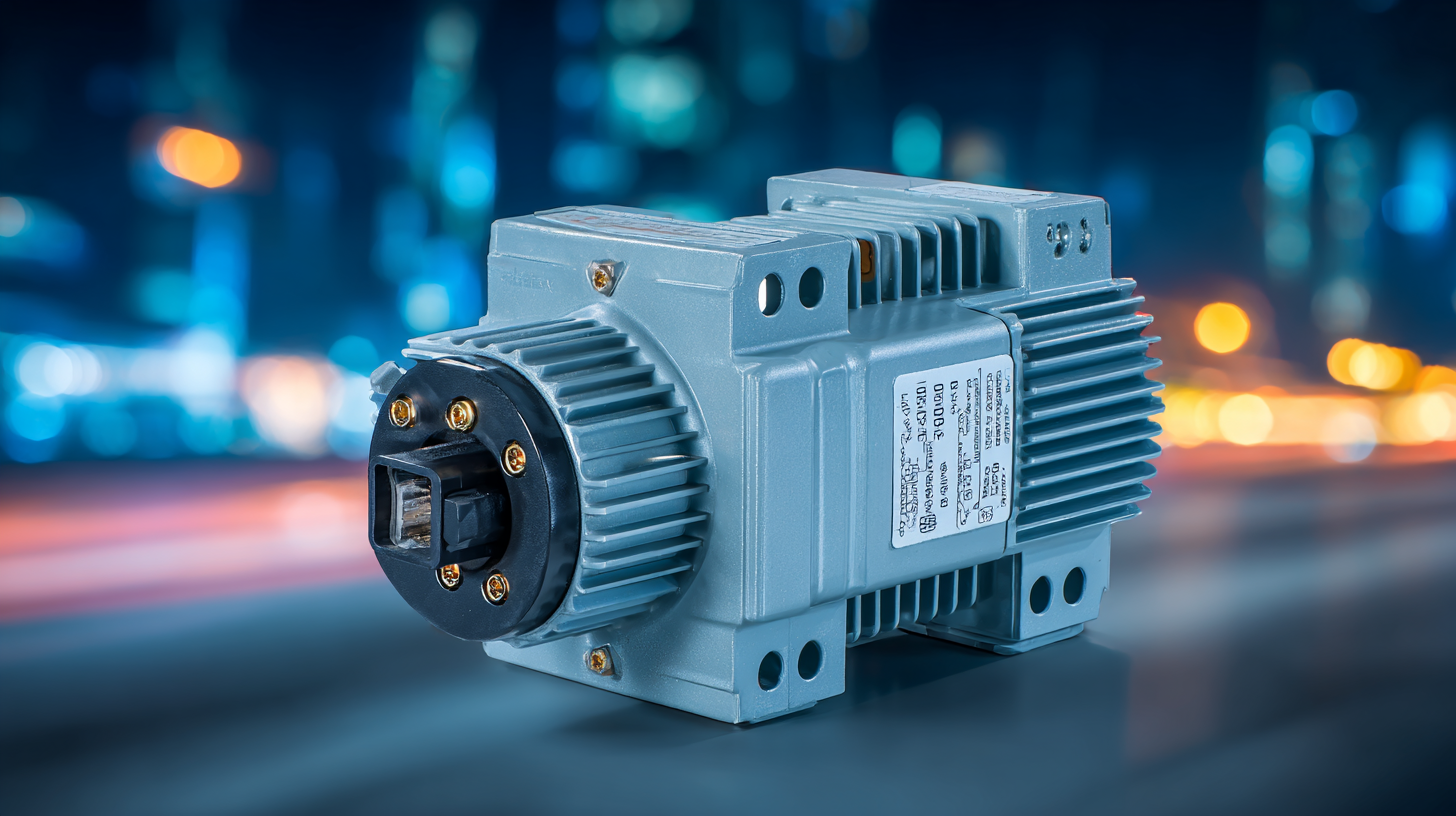
By converting 400hz frequencies commonly used in aviation and military applications to the standard 60hz for residential and commercial use, these converters not only enhance operational efficiency but also facilitate the expansion of existing electrical infrastructures. Understanding the benefits and implementation strategies of a 400hz to 60hz converter is essential for industry professionals seeking to optimize their electrical systems for reliability and performance.
Benefits of 400Hz to 60Hz Conversion in Aerospace Applications
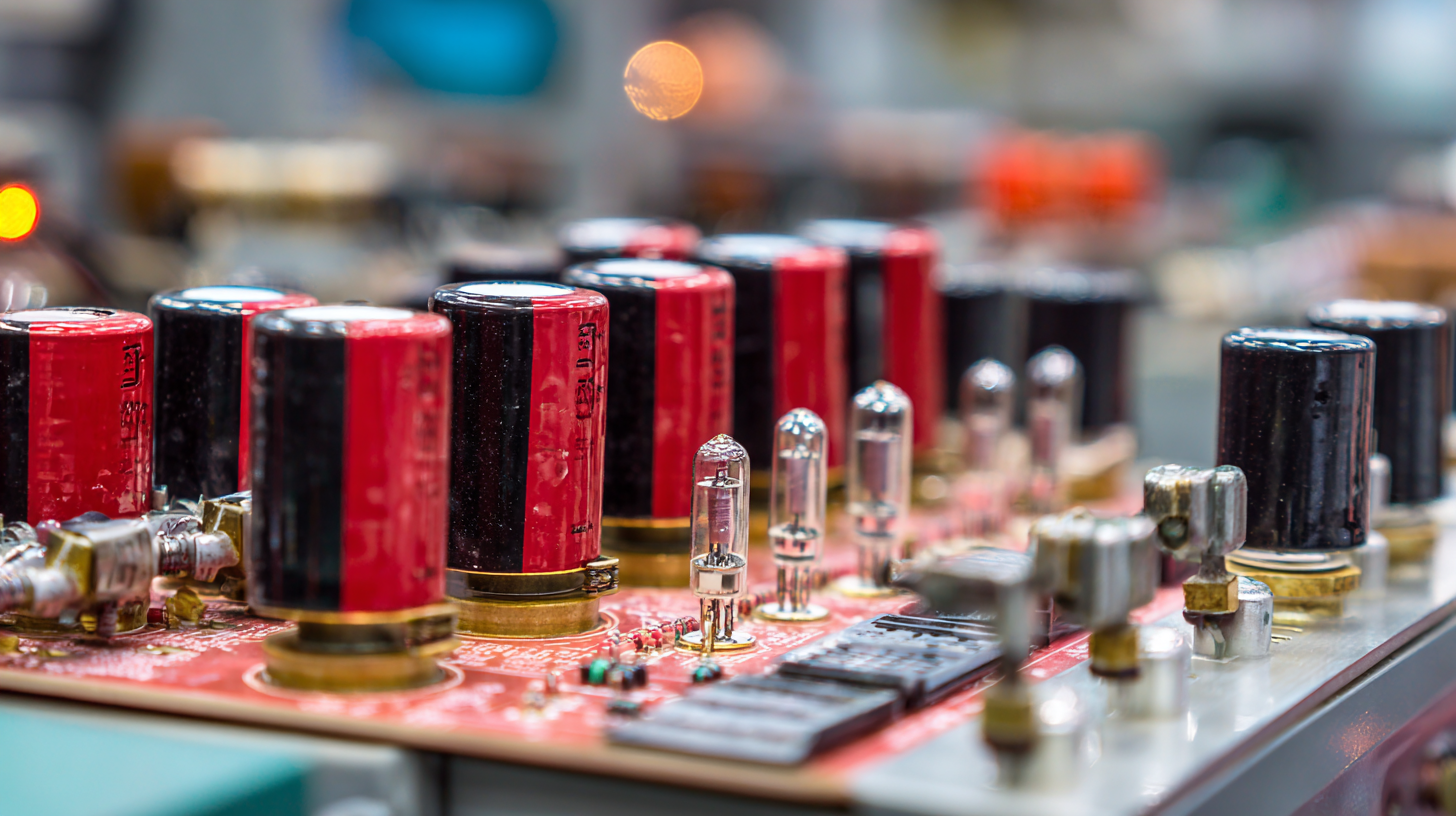 The conversion from 400Hz to 60Hz is crucial in aerospace applications, where the efficiency of electrical systems can directly impact performance, reliability, and overall operational costs. Aerospace systems predominantly utilize 400Hz for its lightweight and compact power distribution, which is essential for aircraft design. However, many onboard systems, including avionics and cabin systems, operate on 60Hz. A 400Hz to 60Hz converter enables seamless integration of these diverse systems, optimizing both the weight savings from high-frequency power and the standardization of system operations across various platforms.
According to the "Aerospace Power Systems Market" report by Research and Markets, the global aerospace power systems are expected to grow significantly, potentially reaching $12 billion by 2026. This growth emphasizes the demand for reliable and efficient power conversion solutions. By utilizing a 400Hz to 60Hz converter, aerospace manufacturers can enhance energy efficiency and reduce system complexity, thereby meeting stringent performance standards while addressing weight limitations.
Tips: When selecting a 400Hz to 60Hz converter, consider units with high energy efficiency and low heat generation to minimize cooling requirements. Additionally, ensure that the converter is certified for aerospace applications to guarantee reliability and compliance with industry standards. Regular maintenance assessments can also enhance the longevity and functionality of your power conversion systems.
Energy Efficiency Gains from 400Hz Systems in Modern Electrification
The transition from 400Hz to 60Hz systems presents significant energy efficiency gains, particularly in modern electrification applications. 400Hz systems, commonly used in aviation and aerospace industries, allow for lighter and smaller electrical components compared to traditional 60Hz systems. This reduction in weight and size directly contributes to increased energy efficiency, as less power is required to operate these compact systems, leading to reduced fuel consumption in aircraft and a decrease in operational costs.
Moreover, the utilization of a 400Hz to 60Hz converter can optimize energy management in various industrial applications. By harnessing the advantages of 400Hz power, facilities can experience improved performance in their equipment. The higher frequency translates to reduced losses in electrical systems, allowing for more efficient energy distribution and utilization. As industries increasingly focus on sustainability and operational efficiency, integrating 400Hz technologies into their infrastructure can result in substantial long-term energy savings and a smaller carbon footprint.
Impact of 400Hz to 60Hz Converters on Industrial Equipment Lifespan
The impact of 400Hz to 60Hz converters on industrial equipment lifespan is significant, especially in environments where reliability and durability are paramount. By converting high-frequency power to a more suitable lower frequency for various electrical systems, these converters play a crucial role in enhancing the operational efficiency of machinery. This is particularly relevant in industries such as mining and renewable energy, where the demand for robust and efficient equipment is increasing.
Recent trends highlight the importance of extending equipment lifespan through innovative technologies and maintenance practices. For instance, the deployment of smart systems in mining equipment helps optimize performance and reduce wear and tear, thereby prolonging the equipment's operational life. Similarly, advanced oil-treatment solutions for lubricants are being employed to minimize friction and enhance the longevity of critical components.
These strategies underscore the necessity of integrating converters into electrical systems, ensuring that industrial machinery operates effectively over an extended period while minimizing costs associated with frequent replacements.
Cost Analysis: 400Hz vs 60Hz Operations in Electrical Systems
When evaluating the operational costs between 400Hz and 60Hz systems, it's essential to consider several factors that affect overall efficiency and performance. While 60Hz systems are traditionally used in residential and commercial settings, 400Hz systems are often favored in aviation and military applications due to their ability to provide significant weight and size reductions in transformers, motors, and other equipment. This means that although the initial installation cost of 400Hz systems may be higher, the potential savings from using lighter and more compact equipment can lead to long-term cost advantages.
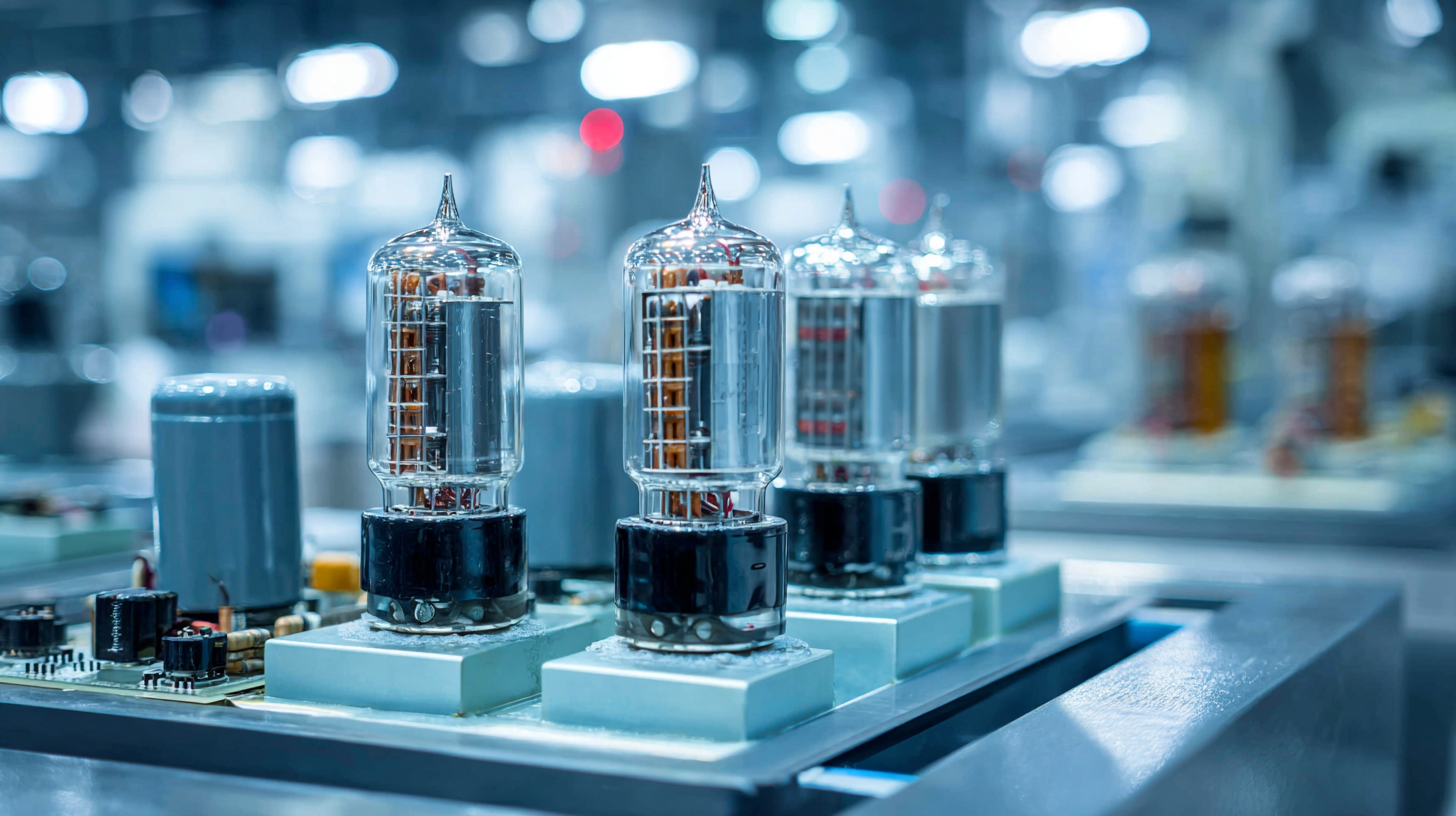
Additionally, running costs must be analyzed. Equipment operating at 400Hz tends to be more efficient, offering higher performance levels while consuming less power. This can translate to lower electricity bills and reduced thermal management costs. Conversely, 60Hz systems typically require more substantial infrastructure and maintenance expenses due to larger physical components. When factoring in these operational and maintenance efficiencies, businesses can make informed decisions on which system aligns better with both their budget and operational requirements, ultimately impacting their bottom line.
Regulatory Standards and Compliance for 400Hz to 60Hz Conversion Systems
When implementing a 400Hz to 60Hz conversion system, understanding the regulatory standards and compliance requirements is crucial to ensure both safety and efficiency. Different industries may adhere to various standards set forth by organizations such as the Institute of Electrical and Electronics Engineers (IEEE) and the National Electrical Manufacturers Association (NEMA). Compliance with these standards not only ensures the safe operation of equipment but also minimizes the risks associated with electrical failures.
Tips for ensuring compliance include conducting regular audits of your conversion systems, staying abreast of any updates in regulatory guidelines, and investing in high-quality conversion equipment that meets or exceeds these standards. Moreover, collaborating with certified professionals can help streamline the compliance process while offering insight into the best practices for installation and maintenance.
In addition to compliance, organizations should also consider the energy efficiency of 400Hz to 60Hz converters. Efficient converters can significantly reduce operational costs and increase the lifespan of electrical components. It is advisable to review energy ratings and opt for converters that integrate innovative technologies designed to enhance energy savings.
Benefits of Using a 400Hz to 60Hz Converter for Electrical Systems
This chart illustrates the key benefits of utilizing a 400Hz to 60Hz converter in electrical systems, mapping different advantages against their perceived effectiveness on a scale of 1 to 10.