10 Best 3 Phase Frequency Converters for Global Buyers
Choosing a 3 phase frequency converter is not simply a matter of comparing prices or output ratings. Global buyers must examine input voltage, phase configuration, frequency range, overload capacity, cooling method, and regional support. A converter operating in a dry warehouse may perform differently in a humid coastal plant. Small details matter.
Professor Bimal K. Bose, a respected power electronics authority, described the field this way: “Power electronics is the technology of controlling and converting electric power.” That principle guides this selection. Each product should be judged by how reliably it converts power for motors, pumps, compressors, production lines, and other demanding equipment. Datasheets provide useful evidence, but they do not reveal everything. Installation quality, harmonic behavior, noise, service access, and replacement-part availability can influence real operating costs.
Field experience also teaches caution. The highest efficiency rating may not deliver the best value if commissioning is difficult. A compact enclosure may look attractive, yet provide limited airflow around a dusty motor room. Some specifications remain unclear. That deserves attention, not assumptions.
This guide reviews 10 best 3 phase frequency converter options for global buyers. The comparison considers technical performance, application fit, manufacturer credibility, safety features, and long-term maintainability. It also recognizes that “best” depends on the site. A converter for a 400 V European factory may not suit a 480 V North American installation without careful verification. Read the details closely. A reliable decision begins with measured requirements, not marketing language.
What a Three-Phase Frequency Converter Does
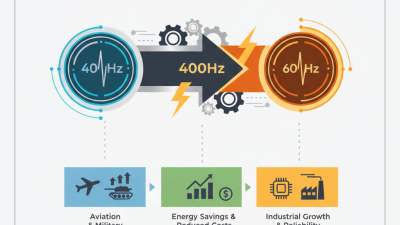
A three-phase frequency converter changes electrical power for equipment operating in a different frequency environment. It can convert 50 Hz input power to 60 Hz, or adjust frequency for controlled motor operation. This helps machinery run at the intended speed, especially when imported equipment meets different regional standards.
The converter also manages voltage, phase balance, and output stability. A well-designed unit reduces starting stress and supports smoother acceleration. Many models include overload, over-temperature, and short-circuit protection. These features matter in workshops, factories, and sites with sensitive three-phase motors. However, frequency alone does not solve every compatibility problem. Rated voltage, current capacity, motor insulation, and wiring requirements must match the application.
Tips: Check the equipment nameplate before choosing a converter. Confirm input and output voltage, frequency range, phase configuration, and continuous power rating. Leave capacity above the motor’s normal load, especially for pumps, compressors, and conveyors. Keep ventilation openings clear and use qualified electrical technicians for installation and testing. A converter may appear correctly sized but still struggle during heavy starting loads. That detail is easy to miss. Buyers should also review waveform quality and response settings, because inexpensive specifications sometimes hide practical limitations. A short trial under real operating conditions can reveal noise, heat, or unstable acceleration before full deployment.
Key Specifications for Comparing Global Converter Models
10 Best 3 Phase Frequency Converters for Global Buyers
Comparing global converter models requires more than checking rated kilowatts. Start with input voltage, frequency, phase balance, and permissible voltage variation. A unit designed for 400 V, 50 Hz may need different protection on a 480 V, 60 Hz network. Confirm output frequency range, continuous output current, and overload capacity. A 150% overload for 60 seconds can matter more than a larger headline power rating.
Efficiency deserves careful attention. The International Energy Agency reports that electric motors and motor-driven systems consume more than half of global electricity. Even small losses become expensive in continuous-duty applications. Check efficiency at 25%, 50%, and 100% load, not only at full load. Power factor and total harmonic distortion also affect upstream equipment. IEC 61800-9-2 provides a useful framework for evaluating drive-system efficiency. Numbers alone can mislead.
Thermal design is equally practical. Compare ambient temperature limits, derating curves, cooling method, enclosure rating, and switching frequency. For dusty workshops, IP54 protection may be insufficient without a filtered cabinet. EMC compliance, regenerative braking, communication protocols, and fault-history storage improve installation reliability. Regional certification should match the destination market. The U.S. Department of Energy’s Motor Systems Market Assessment identifies motor-system optimization as a major industrial energy opportunity. Still, published specifications are not field performance. Cable length, motor condition, harmonics, and poor commissioning can change results. That part is often underestimated.
10 Best 3 Phase Frequency Converters for Global Buyers - Key Specifications for Comparing Global Converter Models
Specifications are representative industry-standard configurations for comparison. Actual voltage ranges, overload ratings, efficiency, enclosure protection, harmonic performance, cooling requirements, and applicable certifications should be verified against the final technical datasheet and the electrical standards of the destination country.
Top Three-Phase Frequency Converter Options by Application
Three-phase frequency converters should be selected by application, not by headline power alone. The IEA reports that motor-driven systems consume about 70% of industrial electricity. Efficiency gains can therefore influence operating costs, heat, and maintenance schedules.
For pumps and fans, choose a converter with stable low-speed control and sleep functions. These features suit water treatment, HVAC, and irrigation systems. The U.S. Department of Energy identifies motor systems as major industrial energy users, but savings depend on correct sizing. Oversizing is common. It can reduce control accuracy.
Conveyors need strong starting torque, braking control, and overload capacity. Cranes may require regenerative braking and fast response. Marine equipment demands corrosion protection, compact cooling, and resistance to unstable supply conditions. Test benches need precise frequency resolution and repeatable acceleration profiles. The IEC 61800 series provides a useful technical framework for adjustable-speed power drive systems, including safety and performance considerations.
For harsh workshops, check enclosure ratings, ambient temperature, cable length, and harmonic mitigation. A converter rated only for normal indoor conditions may fail near dust, moisture, or welding equipment. Independent testing data matters more than impressive catalog claims. The IEA’s Energy Efficiency 2023 analysis also shows that efficiency progress remains uneven across sectors. That is a warning: the best converter on paper may still perform poorly when installation details are ignored.
Safety, Compatibility, and Installation Requirements
Choosing among the 10 best three-phase frequency converters requires more than comparing output ratings. Safety, compatibility, and installation conditions should guide every decision. A converter must match the motor’s voltage, phase sequence, frequency range, and starting current. Check both the continuous rating and the short-term overload capacity. A 7.5 kW motor may demand much more current during acceleration. Measure twice.
Experienced installers also inspect the power source before connecting equipment. Confirm the incoming voltage with a calibrated meter, then check grounding continuity and protective devices. Install suitable fuses or circuit breakers according to local electrical requirements. Keep the converter inside a dry, ventilated enclosure, away from dust, water, and excessive heat. Leave room. Crowded panels trap heat and shorten service life.
Compatibility includes control signals, communication ports, enclosure ratings, and motor cable length. Long cables can increase electrical noise and reflected voltage. Shielded cable, proper grounding, and approved filters may reduce these risks. Follow the manufacturer’s wiring diagram, but do not treat it as a substitute for site judgment. Real installations often contain older motors, unstable supply networks, or unclear labels. I have seen small wiring assumptions create costly delays. A second inspection is worthwhile.
Before commissioning, set acceleration, deceleration, minimum frequency, and thermal protection carefully. Test the motor without a load, then observe current, vibration, temperature, and rotation direction. Record the results for future maintenance. Local inspection rules may also require qualified personnel or documented testing, so confirm them before energizing the system.
How to Select the Right Converter for International Use
Choosing among the 10 best three-phase frequency converters requires more than comparing prices or power ratings. Start with the destination grid. IEC 60038 defines standard supply voltages, but local conditions can still vary. Confirm input voltage, phase sequence, frequency, and allowable voltage fluctuation. A converter designed for 400 V and 50 Hz may not suit a 415 V, 60 Hz installation. Check the nameplate carefully. Small errors become expensive.
Load behavior matters equally. Select continuous output current above the motor’s rated current, especially for pumps, compressors, and conveyors with heavy starts. Review overload capacity, acceleration control, cooling, enclosure rating, and altitude limits. IEC 61800-3 provides a useful framework for electromagnetic compatibility. The IEA’s Electricity 2024 report expects global electricity demand to grow by 3.4% annually through 2026. Efficient conversion is becoming a practical purchasing issue, not a technical luxury.
Harmonic performance deserves closer attention. Compare total harmonic distortion data, filtering options, and installation requirements against IEC 61000 guidance. Ask for independent test documents, efficiency curves, thermal derating tables, and language-appropriate manuals. Certification should match the importing country and the final application. Remote monitoring can reduce downtime, but network compatibility is often overlooked. Experienced commissioning teams also inspect cable length and grounding before energizing equipment. A spreadsheet may rank one unit highest, yet field conditions can reverse that decision. This is where careful site testing remains necessary.
10 Best 3 Phase Frequency Converters for Global Buyers
Common three-phase supply systems that international buyers should consider when selecting a frequency converter. Voltage values are nominal line-to-line ratings; always verify the local grid, motor nameplate, phase sequence, and required output frequency before purchase.
A suitable converter should match the input voltage and frequency while providing the required output voltage, frequency range, power rating, overload capacity, and compliance requirements for the destination market.