Best Three Phase to Single Phase Converter Solutions Today?
In today's industrial landscape, the demand for reliable power solutions is growing. Many businesses require a three phase to single phase converter for efficient operation. These converters help in powering various machinery and equipment that rely on single-phase electricity. Choosing the right converter can be daunting.
Different models vary in performance, efficiency, and cost. Factors like load requirements and energy efficiency ratings play an essential role in selecting the best solution. Many users have experienced frustration with inadequate options in the market. They often find that a one-size-fits-all approach does not work well for their unique needs.
Experts recommend careful evaluation of available models. Look for reputable brands and user reviews to guide your decision.
Finding the right three phase to single phase converter could enhance operational efficiency significantly. However, all available solutions have their pros and cons. A thoughtful exploration will lead to better outcomes.
Introduction to Three Phase to Single Phase Conversion
Three-phase systems are common in industrial settings. They provide efficiency and power for large machinery. Converting three-phase power to single-phase can be necessary for residential or smaller applications. The process, however, involves complexity. Each method has its own advantages and limitations that need thorough understanding.
For instance, using transformers is a straightforward method. They can convert voltage levels effectively. However, they can be bulky and costly for personal use. Another option is static converters. They are smaller and easier to install, but can have limitations in power output. Users must weigh these factors carefully. Efficiency can vary significantly between methods, impacting long-term costs.
Practical knowledge is crucial when considering conversion solutions. Users should check local electrical codes for compliance. This ensures safety and reliability in installations. A deeper understanding of the electrical load is also advised. Miscalculating the required power can lead to system failures. Each project is unique, and having a well-thought-out plan is essential for success.
Common Applications of Single Phase Systems
Single-phase systems are widely used in residential and light commercial settings. They provide a reliable solution for powering essential appliances, such as refrigerators, lights, and small machinery. Unlike three-phase systems, single-phase power is easier to manage. It is ideal for smaller installations where balanced loads are not a concern.
In industries, single-phase systems cater to various applications, including HVAC systems, small pumps, and fans. Their simplicity makes them suitable for applications where high power isn’t required. However, challenges do arise. Single-phase motors may struggle under heavy loads, leading to inefficiency. Additionally, voltage drops can occur over long distances, affecting performance. It's crucial for users to assess their power requirements carefully.
Many users still overlook the importance of proper installation and maintenance. Neglect can lead to increased energy consumption and frequent breakdowns. Investing in quality components and seeking professional help can enhance the reliability of single-phase systems. Continuous learning about energy needs is essential for maximizing system performance. The goal should always be efficient and effective use of electricity.
Types of Three Phase to Single Phase Converters
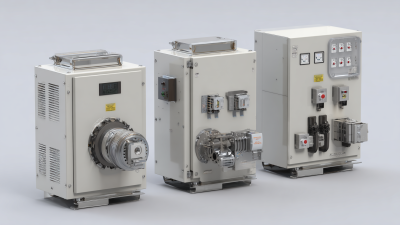
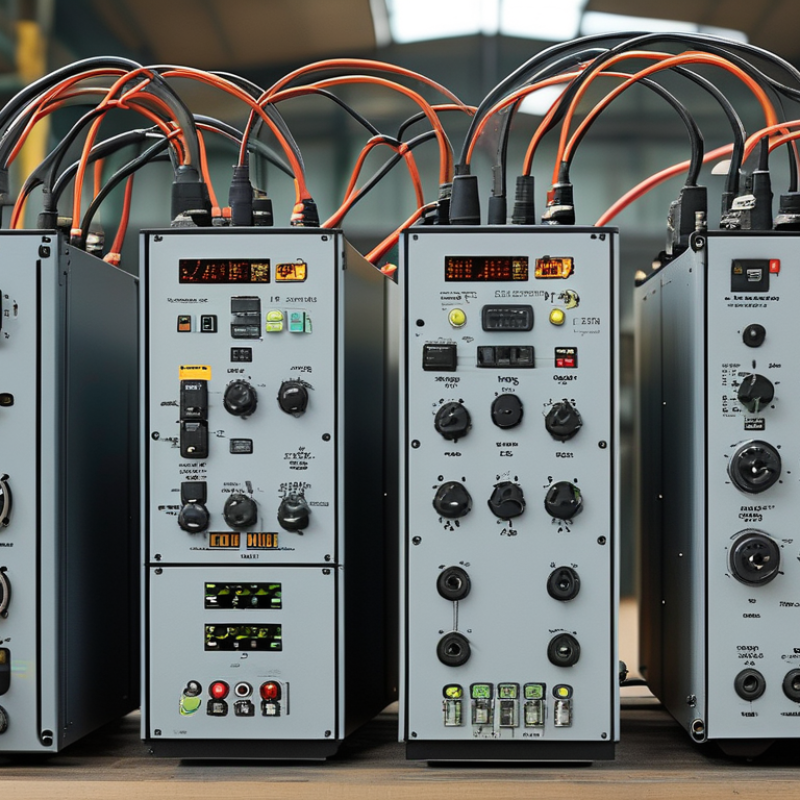
Three phase to single phase converters have become essential in various industries. They enable users to run single-phase equipment on a three-phase system. This capability is crucial for applications requiring reliability and efficiency. Different types of converters cater to various needs, making them versatile solutions for power conversions.
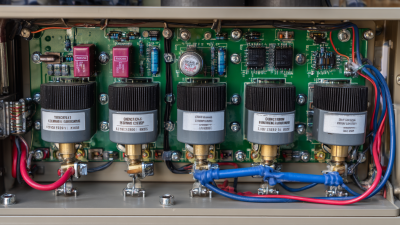
Rotary converters are a popular choice. They utilize a rotating motor to convert power efficiently. Their design allows for smooth operation, reducing electrical noise. However, they can be bulky. This size can limit their use in compact spaces. Another type is the static converter. These devices are lightweight and easy to install. They provide immediate power without requiring extensive setup. Yet, their performance may fall short in high-demand scenarios.
Considering these options, users must reflect on their unique requirements. The ideal solution depends on factors like load size and available space. Each type has its strengths and limitations. Users often find themselves weighing efficiency against size or cost. These considerations can lead to a more informed decision-making process.
Key Considerations When Choosing a Converter
When choosing a three phase to single phase converter, several factors come into play. First, consider the load requirements. Understanding the power needs of your equipment is essential. A mismatch can lead to inefficiencies or even damage. Calculate the horsepower required and ensure the converter can handle peak demands.
Next, assess the installation environment. Some converters are more suited for industrial settings, while others work best in residential areas. Noise levels and space constraints are also pivotal. A larger converter might offer better performance but could be impractical in tight spaces.
Reliability is another key point. Look for solutions that have been tested under diverse conditions. Seek user reviews and case studies to gauge real-world performance. Every application is unique, so finding a converter that aligns closely with your specific needs is crucial. Balancing performance and reliability often requires deep research and sometimes even trial and error.
Top Solutions and Recommendations in the Market
When it comes to converting three-phase power to single-phase systems, several options stand out. A common solution is the use of
rotary phase converters. These devices create a third phase, making them effective for running equipment that requires three-phase power. They offer reliable performance for various industrial applications, but installation can be complex. Users often struggle with sizing the converter properly, which can lead to inefficiencies.
Another viable option is the static phase converter. This device is simpler to install and operate than rotary converters. It allows for an easy transition from three-phase to single-phase power. However, it may not provide full power to three-phase motors, potentially compromising their performance. Many users report mixed experiences, often wishing they had chosen a more robust solution.
Variable frequency drives (VFDs) are also gaining popularity. They convert three-phase current to drive single-phase motors efficiently. VFDs allow for better control over motor speed and torque. However, they can be pricey, leading some users to question their cost-effectiveness in small-scale applications. Ultimately, selecting the right solution depends on specific needs and available budgets. Each option has its pros and cons, requiring careful consideration before making a decision.