Why Choose Cryogenic Gearbox for Your Industrial Needs?
In the world of industrial machinery, choosing the right components is crucial. The Cryogenic Gearbox stands out for its unique capabilities. Designed to operate in extremely low temperatures, it ensures high efficiency and reliability. Many industries rely on this specialized equipment to maintain performance in harsh environments.
When working with cryogenic processes, traditional gearboxes often fail. This is where the Cryogenic Gearbox excels. Its materials and design withstand the challenges of cryogenic temperatures. Users report fewer breakdowns and maintenance issues. In turn, this translates to lower operational costs and increased productivity over time.
However, not all Cryogenic Gearbox brands are created equal. It’s essential to evaluate the specifications and reviews. Some products might not meet rigorous industry standards. Thus, conducting thorough research before purchase is vital. Reliable vendors often provide extensive documentation and support. Engaging with experienced professionals can further guide the decision-making process.
Benefits of Cryogenic Gearboxes in Industrial Applications
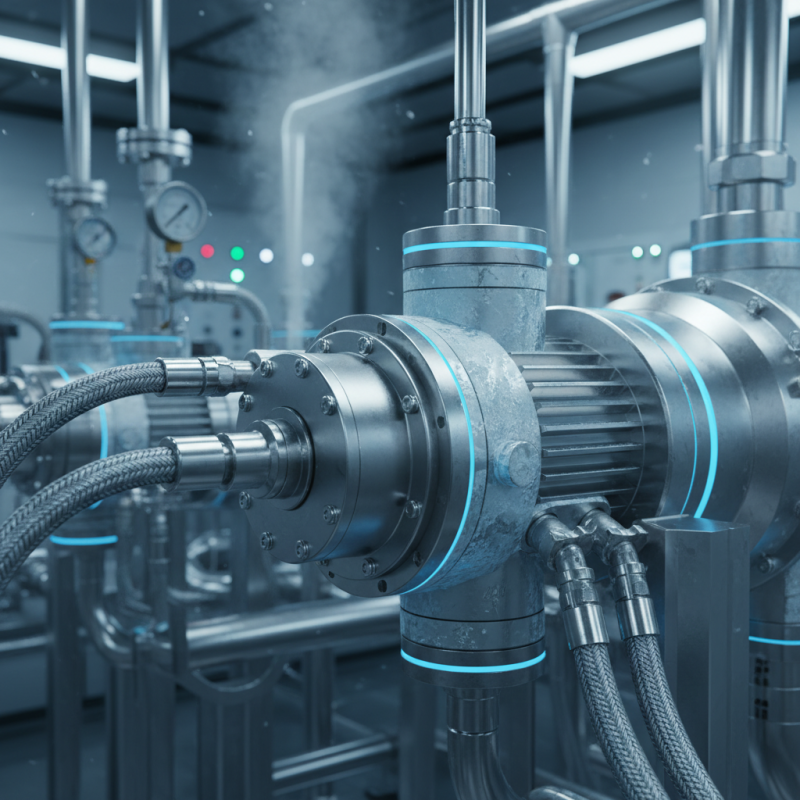
Cryogenic gearboxes are increasingly favored in industrial settings. They operate efficiently at extremely low temperatures, which is essential for certain applications. These gearboxes provide remarkable strength and durability. They can handle the demands of harsh environments, making them reliable choices.
One major benefit is their energy efficiency. Cryogenic gearboxes use less power compared to traditional gearboxes. This efficiency can lead to significant cost savings. Additionally, they contribute to reduced environmental impact by lowering energy consumption. Proper maintenance is necessary, though, as these systems can be complex.
Another aspect to consider is their versatility. They are used in various industries, including aerospace and LNG processing. However, cryogenic gearboxes can be expensive to install and maintain. Companies should weigh the costs against their potential advantages. Analyzing specific needs and conditions is crucial for making the right decision.
Benefits of Cryogenic Gearboxes in Industrial Applications
Key Features of Cryogenic Gearboxes for Enhanced Performance
Cryogenic gearboxes play a crucial role in industries requiring extreme temperature operations, such as LNG processing and aerospace. Their design allows for optimal performance in incredibly low temperatures, often reaching below -150°C. According to industry reports, these gearboxes maintain efficiency levels exceeding 90%, significantly enhancing system productivity. Their construction utilizes materials specifically designed to withstand thermal expansion and contraction, ensuring durability even in harsh environments.
One key feature of cryogenic gearboxes is their ability to minimize frictional losses. This reduces wear and tear on components, extending the service life of the machinery. Research indicates that gearboxes operating in cryogenic conditions experience 40% less friction compared to standard models. Additionally, they offer superior thermal insulation properties, which help maintain temperature consistency throughout the system.
Despite these advantages, challenges remain. The cost of manufacturing cryogenic gearboxes can be high due to specialized materials and precision engineering. Moreover, maintenance requires trained personnel who understand the unique requirements of these systems. Regular checks and careful monitoring are essential for optimal performance. Understanding these aspects is crucial for industries aiming to integrate cryogenic gearboxes into their operations effectively.
Comparison of Cryogenic Gearboxes with Traditional Gear Systems
When comparing cryogenic gearboxes to traditional gear systems, it's crucial to consider their unique strengths. Cryogenic gearboxes excel in extreme temperature environments. They maintain high efficiency even when exposed to low temperatures. Traditional gear systems may falter under these conditions, leading to increased wear and decreased performance.
The materials used in cryogenic gear systems are specifically designed for extreme applications. They can withstand harsh conditions that often degrade traditional gear systems. However, the cost of these specialty materials can be a drawback. Companies might find the initial investment challenging, despite the long-term savings on maintenance and repairs.
While cryogenic gearboxes offer superior performance, they are not without limitations. They require precise engineering and understanding of the application. In some cases, their complexity can make them less accessible for smaller operations. Balancing cost with efficiency is critical when choosing between these systems. Understanding your specific needs can help guide the decision.
Factors to Consider When Choosing a Cryogenic Gearbox
When selecting a cryogenic gearbox for industrial applications, several factors should be considered. The operating temperature range is crucial. Different industries may demand varying levels of cryogenic performance. Understanding specific requirements is essential. The materials used in the gearbox must withstand low temperatures. Not all materials will endure extreme conditions effectively.
Another important aspect is the gearbox design. Variability in design affects gear efficiency and durability. A well-engineered gearbox can minimize energy loss. Consider the potential need for maintenance. Regular checks can prevent costly downtime. The ease of access for repairs often gets overlooked. It’s an area worth reflecting on during the selection process.
Efficiency and reliability are paramount. However, balancing these with cost is challenging. A cheaper gearbox may not perform well in cryogenic environments. This decision requires careful consideration of long-term benefits versus immediate savings. Always analyze performance data from previous applications. It helps to gauge what works best for your specific needs.
Why Choose Cryogenic Gearbox for Your Industrial Needs? - Factors to Consider When Choosing a Cryogenic Gearbox
| Feature | Details | Benefits |
| Temperature Range | -196°C to -150°C | Allows operation in extreme cold environments |
| Material | High-grade alloys and composites | Prevents brittleness and cracking at low temperatures |
| Lubrication | Specialized low-temperature lubricants | Ensures smooth operation without freezing |
| Design | Compact and lightweight | Easier installation and integration in limited spaces |
| Load Capacity | Varies from 100 Nm to several kNm | Suitable for various industrial applications |
| Maintenance | Low maintenance needs | Reduced downtime and operational costs |
Maintenance and Longevity of Cryogenic Gearboxes in Industry
Cryogenic gearboxes are essential in many industrial applications. Their unique design allows for operation at extremely low temperatures. This specialized functionality ensures they can handle specific tasks in industries like liquefied natural gas processing and aerospace.
Maintaining cryogenic gearboxes is crucial for their longevity. Regular inspection can help identify potential issues early. Lubrication plays a key role in their performance. Use the correct lubricant to prevent wear. Without proper care, these gearboxes can suffer damage, leading to costly downtimes.
Tips: Ensure your team is trained on the specifics of cryogenic maintenance. Monitor performance metrics regularly. Consider a schedule for preventative maintenance. This proactive approach can enhance reliability and lifespan. Remember, neglecting small signs of wear can lead to more significant problems down the line.
