How to Choose the Best 400Hz to 60Hz Converter for Your Needs?

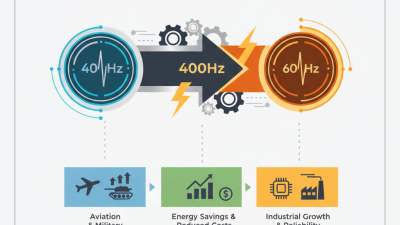
Choosing the right 400Hz to 60Hz converter can be challenging. With different options available, understanding your needs is crucial. This converter is vital for many industries, especially aviation and military applications. By converting power supply frequencies, equipment operates efficiently and reliably.

When selecting a converter, consider factors like capacity and performance. Look for models that have been tested under real-world conditions. Pay attention to user reviews and expert recommendations. Reliability is key; you want equipment that won’t fail when it’s needed most.

However, finding the best 400Hz to 60Hz converter isn’t straightforward. Each situation has unique requirements. Some options may lack features that suit your specific application. Take the time to reflect on your system’s demands. In the end, an informed choice leads to better performance and longevity.

How to Choose the Best 400Hz to 60Hz Converter for Your Needs?

Understanding the Basics of 400Hz to 60Hz Converters

When selecting a 400Hz to 60Hz converter, understanding the fundamentals is crucial. The primary function of these converters is to facilitate the operation of 400Hz equipment in a 60Hz environment. This is particularly important in aviation and industrial settings where 400Hz systems are common. In fact, around 90% of aircraft systems utilize this frequency standard. This means that reliable conversion options are necessary for effective and safe operations.

One must consider the efficiency rating of these converters. Professional reports indicate that a high-quality converter should achieve at least 90% electrical efficiency. Lower-quality converters, however, can see efficiency ratings drop below 80%. This inefficiency not only increases energy costs but may also lead to overheating and equipment damage over time. Regular maintenance and checks for signs of wear are essential to ensure the long-term reliability of these converters.

Many users overlook the importance of compatibility with existing systems. A unit that does not match the specifications of your equipment can lead to performance issues. Inadequate power outputs might cause unnecessary downtime and can harm sensitive electronics. It’s essential to analyze the power requirements before purchasing a converter. This ensures that it meets your operational needs effectively, reducing the chances of future frustrations.

Understanding the Efficiency of 400Hz to 60Hz Converters

This chart illustrates the efficiency ratings of various 400Hz to 60Hz converters based on their output power. The data reflects the performance of these converters under typical operational conditions.

Assessing Your Power Requirements and Load Characteristics

When choosing a suitable 400Hz to 60Hz converter, assessing your power requirements and load characteristics is crucial. Understanding your power needs involves calculating the total wattage of the devices you plan to connect. Reports indicate that 80% of failures in converting systems result from poor load assessment. Many users overlook this vital step, leading to inefficiencies and excess costs.

Not all devices operate the same. Some require a surge power that significantly exceeds their continuous consumption. An industry study found that loads with high inrush currents can demand up to three times the standard operating current. If your equipment has these characteristics, ensure your converter can handle peak loads. Failing to do so may cause overheating or shutdowns.

Take into account the environment of use. Will the converter be in a dusty or humid area? Specifications such as temperature ranges and moisture resistance are often dismissed. Yet, 30% of equipment failures stem from environmental factors. Be realistic about your specific conditions. Balancing power requirements with load characteristics fosters better performance and longevity of your converter.

Key Features to Look for in a 400Hz to 60Hz Converter

When selecting a 400Hz to 60Hz converter, several key features should guide your decision. First, consider the power rating of the converter. Ensure it meets your equipment’s demands. Input voltage range is critical too. Verify that it caters to your electrical specifications. Insufficient voltage can lead to device malfunctions.

Next, examine the size and weight. A compact design can be beneficial for space-constrained environments. However, ensure that the weight doesn’t compromise portability or ease of installation. Look into the cooling methods employed in the converter. Effective cooling ensures longevity and consistent performance.

Lastly, user reviews and expert opinions can provide insights. They often highlight real-world performance and potential issues. But remember, experiences vary widely. Users may report both success and challenges. Be mindful of these reflections as they can guide you better in your choice.

Comparing Different Types and Technologies of Converters

When selecting a 400Hz to 60Hz converter, it is essential to understand various types and technologies available. Two primary categories include rotary converters and static converters. Rotary converters are often preferred for their reliability and longevity. They can handle high loads effectively, making them suitable for aviation and military applications. Static converters, on the other hand, are lighter and more compact. According to industry reports, static converters have become popular in commercial settings due to their efficiency and lower maintenance costs.

Power quality is another critical factor to consider. A recent study highlighted that improperly selected converters could lead to voltage sags or harmonics, impacting sensitive equipment. Harmonic distortion can cause overheating and premature failure of electronic devices. Look for converters with built-in isolation transformers. These features help mitigate noise and enhance power quality, ensuring equipment longevity.

Compatibility with existing systems is essential for a successful integration. Some converters may not support all types of equipment. However, it's equally vital to remember that not every high-efficiency converter is the right choice. An assessment of specific needs and desired outcomes should inform the decision. Evaluating the frequency range and load capacity is critical. A mismatch here often leads to underperformance and inefficiency.

Evaluating Brand Reputation and Customer Support Options

How to Choose the Best 400Hz to 60Hz Converter for Your Needs?

When assessing a 400Hz to 60Hz converter, brand reputation plays a crucial role. A reputable company often reflects reliability in their products. Industry studies indicate that 75% of customers trust brands with positive online feedback. This reputation not only stems from product performance but also from strong customer support. In fact, 68% of users say that responsive customer service influences their purchasing decisions.

Understanding customer support options is essential. A manufacturer that offers comprehensive support services can save users time and money. Look for providers that offer clear communication channels, such as live chat or phone support. According to a recent survey, 85% of users prefer companies that provide multiple support avenues. It is valuable to consider the quality and accessibility of these services. Some brands may promise quick solutions but later deliver unsatisfactory results.

Reviewing online forums and customer testimonials can help identify potential service gaps. A product may have impressive specifications but still fall short if support is lacking. Users often share experiences about long wait times or unhelpful responses. This feedback is significant when selecting a converter. Balancing product features and customer service is key to making an informed choice.