Top Electronic Converter Trends for 2026 What Buyers Need to Know
As the electronic converter industry approaches 2026, several trends are emerging that buyers must understand. Industry expert Dr. Emily Chen emphasizes, "Advancements in efficiency and integration will redefine electronic converters in the coming years." This statement rings true as we delve into innovative technologies shaping the market.
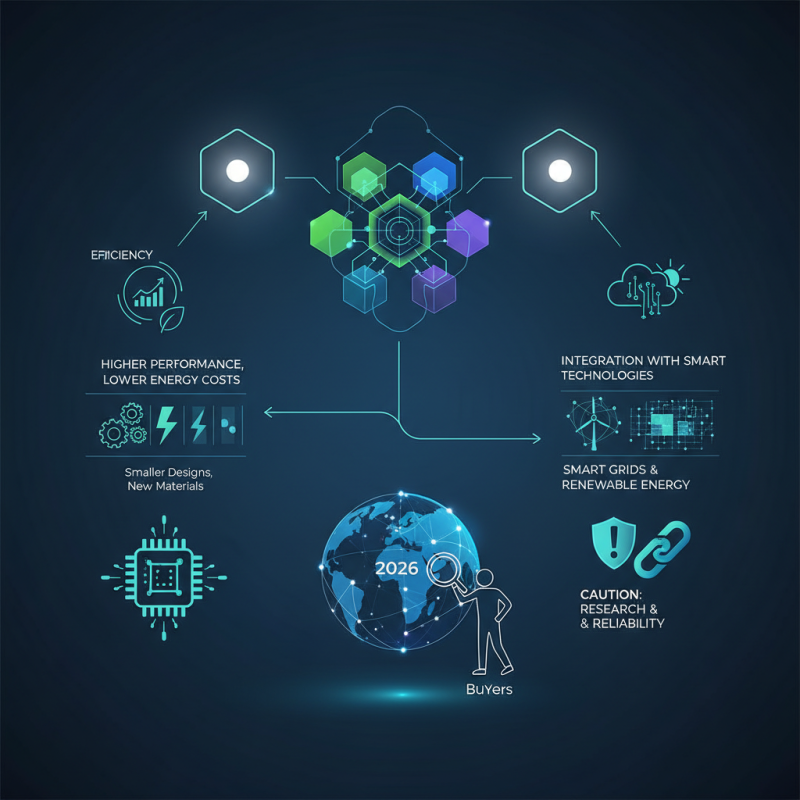
Efficiency is one key area where electronic converters are evolving. Buyers can expect higher performance at lower energy costs. New materials are enabling smaller designs while maintaining power output. However, not all manufacturers prioritize these advancements equally, leading to a spectrum of product quality.
Integration with smart technologies is another trend gaining traction. Electronic converters are becoming integral to smart grids and renewable energy systems. Yet, buyers should be cautious. Not every product marketed as "smart" delivers true functionality. It’s essential to research and choose products backed by reliability and credibility.
Key Innovations in Electronic Converter Technology for 2026
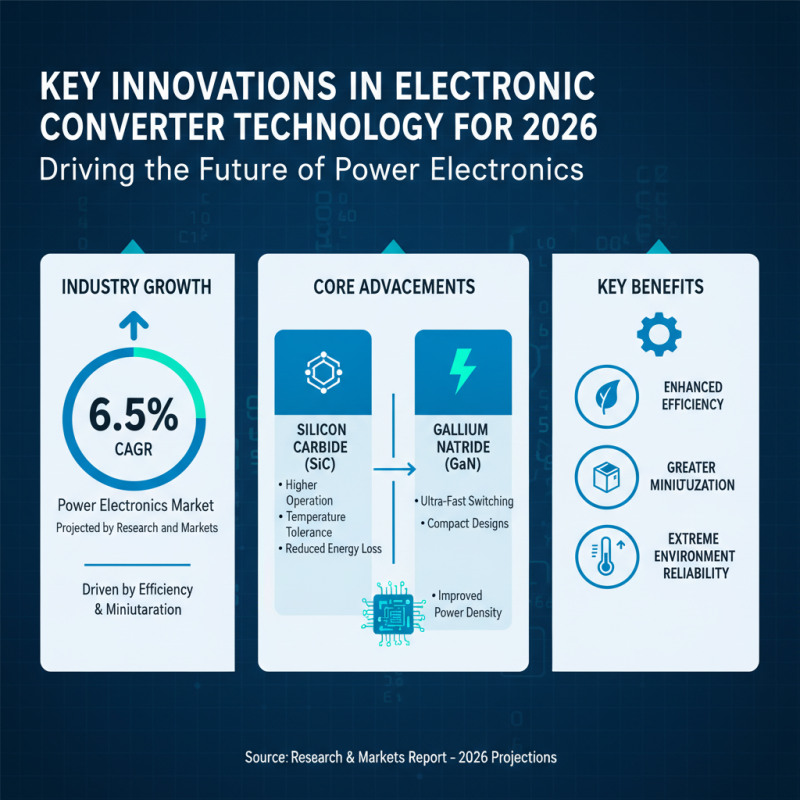
As we look toward 2026, electronic converters are at the forefront of technological innovation. The industry is projected to grow significantly, with a report from Research and Markets estimating a CAGR of 6.5% for power electronics. This growth is driven by advancements in efficiency and miniaturization. Key innovations are emerging in areas such as silicon carbide (SiC) and gallium nitride (GaN) technologies, which are enabling converters to operate at higher voltages and temperatures.
Efficiency is no longer optional; it’s essential. Studies indicate that converters with improved thermal management can achieve efficiencies exceeding 98%. This leads to lower energy waste and operates cooler. More companies are focusing on reducing size while increasing performance, a challenge that many have yet to master.
Moreover, the integration of smart technology is transforming how converters function. With the rise of IoT, converters can be monitored remotely, allowing for predictive maintenance. This capability presents a significant shift, but it also raises concerns about cybersecurity. Buyers must consider these risks when looking for innovative solutions. While the landscape is promising, the path forward demands careful consideration of both technological advantages and potential vulnerabilities.
Market Demand Projections for Electronic Converters by 2026
As we approach 2026, the market for electronic converters is set to experience significant growth. Buyers need to navigate this evolving landscape with care. The demand for electronic converters will largely stem from the increasing reliance on renewable energy sources. Solar and wind power projects are skyrocketing. These projects require effective conversion systems to harness and distribute energy efficiently.
Current industry trends suggest that consumers are looking for converters that provide higher efficiency and better performance. Many buyers are prioritizing features like compact design and integrated functionalities. However, as these technologies evolve, consumers may face challenges. The rapid pace of innovation could make some products obsolete quickly. This constant change may lead to a lack of clarity in choosing the right solutions.
Furthermore, sustainability is becoming a pivotal factor in purchasing decisions. Companies are investing in greener technologies. Buyers will need to consider lifecycle impacts and energy-saving capabilities before making purchases. There is also a growing concern about reliability and durability. These factors are crucial when evaluating products in this competitive market. Adapting to these dynamics and staying informed is essential for successful investments in electronic converters.
Top Electronic Converter Trends for 2026
| Trend |
Expected Growth (%) |
Key Applications |
Market Demand (Unit) |
Technology Advancement |
| Increased Efficiency Standards |
15% |
Renewable Energy, Electric Vehicles |
50 million |
Advanced Switching Technologies |
| Integration with IoT |
20% |
Smart Grids, Home Automation |
70 million |
Cloud-based Solutions |
| Miniaturization |
10% |
Portable Devices, Wearables |
40 million |
Nano-scale Technologies |
| Sustainability Focus |
25% |
Energy Storage, Decentralized Power |
60 million |
Recyclable Materials |
| Enhanced Power Density |
18% |
Electric Vehicles, Aerospace |
55 million |
High-frequency Technologies |
Impact of Sustainability Trends on Electronic Converter Design
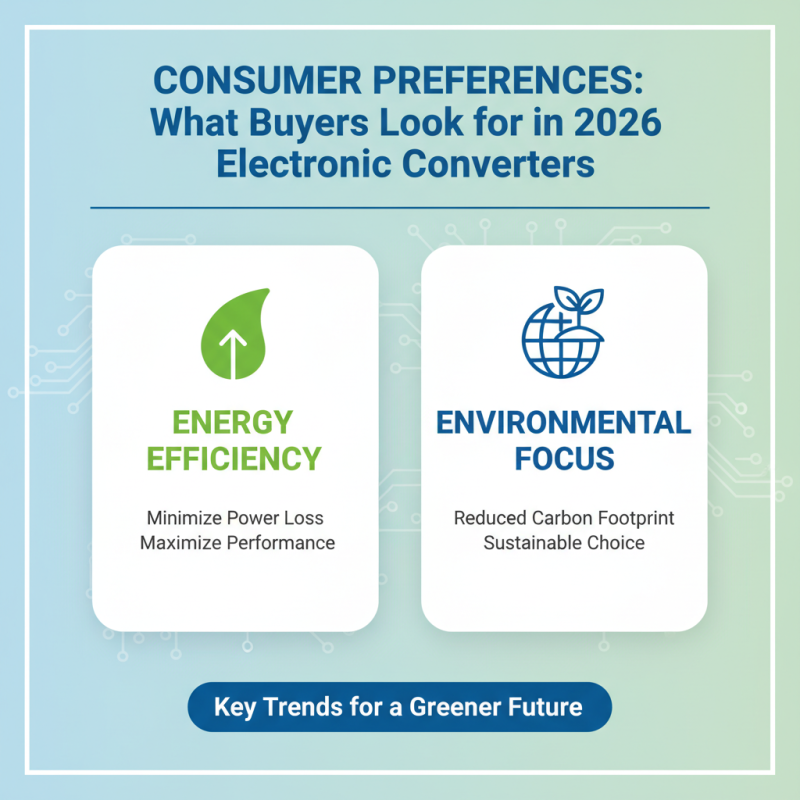
Sustainability trends are reshaping the landscape of electronic converter design. As consumers become more environmentally conscious, manufacturers are focusing on creating energy-efficient solutions. This shift not only enhances performance but also minimizes the ecological footprint of devices. Buyers in 2026 should expect more converters that prioritize recyclable materials and reduced waste during production.
Incorporating renewable energy sources into electronic converters is gaining traction. This design shift leads to products that align with sustainable practices. For buyers, understanding these innovations is crucial. They must seek products that demonstrate transparency in their manufacturing processes. Ensure that the technological advancements address both durability and energy efficiency.
**Tip:** When selecting an electronic converter, inquire about its sustainability certifications. This can highlight the manufacturer's commitment to eco-friendly practices.
Additionally, the use of advanced materials may enhance lifespan and performance. Yet, not every manufacturer will prioritize these materials. Buyers should be cautious of claims that seem too good to be true. Conduct comprehensive research to understand each product's sustainability credentials. This approach safeguards your investment and supports a more sustainable future.
Top Electronic Converter Trends for 2026
This chart illustrates the projected trends in electronic converter design influenced by sustainability practices by the year 2026. The key dimensions considered are Efficiency, Cost, and Sustainability Impact.
Emerging Materials and Their Role in Future Electronic Converters
As electronic converters evolve, the materials used in their construction are becoming more critical. Emerging materials like silicon carbide (SiC) and gallium nitride (GaN) are gaining attention. These materials offer better performance in high-temperature and high-frequency applications. They are important for renewable energy systems and electric vehicles. Their efficiency can lead to reduced energy losses.
Designers face challenges when integrating these materials. The manufacturing processes need adjustment to accommodate their unique properties. Reliability is a concern; how these materials behave over time under stress is still under study. Additionally, the cost of these materials can be higher than traditional ones. This cost factor may impact widespread adoption.
Sustainability is another area of focus. Manufacturers explore how new materials contribute to greener production. Using recycled materials is a growing trend. Yet, the long-term environmental impact of these innovations isn’t fully understood. As research advances, the role of emerging materials in electronic converters will become clearer, guiding future developments in the industry.