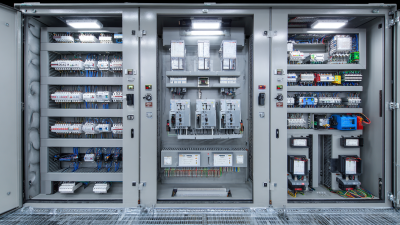
Top Voltage Frequency Converter Solutions for Global Buyers?
In today's interconnected world, the demand for efficient power solutions is rising. Voltage frequency converters are crucial in adapting power systems to various requirements. According to a report by MarketsandMarkets, the global voltage frequency converter market is expected to reach $4 billion by 2025, growing at a compound annual growth rate (CAGR) of 6.5%. This trend highlights a significant opportunity for buyers globally.
These converters help in operations where power supply frequency differs from equipment requirements. For instance, industrial sectors often rely on voltage frequency converters to ensure machinery runs optimally across regions with different electrical standards. The need for reliable converters is evident, yet many users struggle with selecting the right solution. Reports indicate that nearly 30% of buyers faced issues with compatibility and performance failures in the past year.
Choosing the right voltage frequency converter requires careful consideration of various factors. Factors such as load type, power capacity, and environmental conditions must be evaluated. As the industry evolves, potential buyers must enhance their understanding of these technologies to make informed decisions.

Overview of Voltage Frequency Converters and Their Importance
Voltage frequency converters are crucial in various industries today. They help in converting electrical energy from one frequency to another. This process is essential for appliances and machinery that require specific power needs. For instance, in manufacturing, mismatched voltage and frequency can lead to equipment failure or inefficiencies. According to the International Energy Agency (IEA), improper frequency can reduce energy efficiency by nearly 30%.
In the renewable energy sector, these converters play a vital role. Wind and solar energy systems often generate power at different frequencies than the grid. Without effective frequency converters, these systems would struggle to feed power back into the grid. A report from the Global Energy Monitoring highlights that proper integration through frequency conversion is key to increasing renewable energy usage by up to 50%.
However, sourcing the right converter can be challenging. Many buyers face difficulties navigating complex specifications and compatibility issues. Understanding the technical aspects is crucial. With numerous options on the market, the decision can become overwhelming. The pace of technological advancement further complicates selections. Keeping abreast of industry trends is essential for making informed choices.
Key Features to Consider When Selecting a Voltage Frequency Converter
When selecting a voltage frequency converter, several key features are important. First, assess the voltage range.
Different applications demand varying voltage levels. Ensure the converter meets your specific requirements.
Compatibility is crucial. Many converters handle a wide range, but not all can adapt to unique voltage needs.
Efficiency is another crucial aspect to consider. A converter's efficiency rate affects operational costs.
Ideally, you want a unit that minimizes energy loss. Check the efficiency ratings provided by manufacturers.
Additionally, operational noise levels can impact your environment. A quieter model may be necessary for sensitive areas.
Reliability plays a significant role as well. Look for converters with a proven track record. User reviews and expert
opinions can provide insight into durability. Certain converters may fail over time due to lack of components or poor
design. Consider models that offer strong customer support and warranties. This adds a layer of security to your investment.
As needs change, reassessing your choice is wise. Flexibility in design can lead to future-proofing your setup.
Top Global Manufacturers of Voltage Frequency Converters
Voltage frequency converters play a crucial role in various industries, ensuring efficient energy management and compatibility across different systems. The market for these converters has seen significant growth, projected to reach a valuation of over USD 5 billion by 2025, according to industry reports. This surge highlights the increasing demand for renewable energy solutions and the need for versatile electrical equipment.
Top global manufacturers are focusing on advanced technologies. Many are investing in R&D to develop more efficient and reliable converters. Data shows that companies enhancing their digital control capabilities can expect a market share increase of up to 15%. This shift towards smart systems offers improved performance and user control.
In your search for effective voltage frequency converters, consider these key factors. Look for solutions that offer energy efficiency ratings above 90%. Also, assess the manufacturer's support and warranty offerings. Researching user feedback can provide insights into the reliability and performance of specific models. Balancing cost and features is essential for making an informed choice.
Comparative Analysis of Voltage Frequency Converter Solutions
Voltage frequency converters play a vital role in adapting equipment to different power standards globally. A comparative analysis reveals several effective solutions that meet diverse needs. Each option showcases unique features tailored for specific applications. For example, some converters prioritize energy efficiency, while others focus on compact design. Exploring these differences can help buyers make informed choices.
Consider the varying voltage ratings offered by different models. The flexibility in voltage output can influence overall performance. A converter with adjustable frequency settings adds further versatility, allowing users to optimize energy consumption. When evaluating options, remember that installation complexity can also differ. User feedback often highlights the importance of an intuitive setup process.
Tips: Always check compatibility with your existing systems. Research user reviews to gauge real-world experiences. Assess the warranty and after-sales support offered by manufacturers, as these can signify reliability. Regular maintenance and upgrades can enhance performance, prolonging the lifespan of your converter.
Future Trends in Voltage Frequency Converter Technology and Applications
The market for voltage frequency converters is evolving rapidly. According to a recent report by MarketsandMarkets, the global voltage frequency converter market is projected to grow from $12 billion in 2023 to $20 billion by 2028. This growth is driven by advancements in technology and increased demand for energy efficiency. More industries are recognizing the importance of adapting to different voltage and frequency levels, especially in renewable energy applications.
The integration of artificial intelligence (AI) into voltage frequency converters is a promising trend. AI can optimize performance in real-time, enhancing efficiency and reliability. This innovation can lead to predictive maintenance, reducing downtime and operational costs. A study from Frost & Sullivan indicates that AI-enhanced systems can increase energy savings by 20%. However, the reliance on sophisticated algorithms also poses challenges, such as data security concerns and the need for skilled operators.
Another significant trend is the shift towards compact and modular designs. Industrial sectors are seeking solutions that save space and allow for easier installation. This trend reflects a growing awareness of environmental impact, as smaller units often consume less energy. Nonetheless, manufacturers face challenges in balancing size with performance. Recent insights show that while compact designs benefit efficiency, they may compromise on durability. Efforts continue to refine these solutions, focusing on both performance and longevity.