Top 10 Wastewater Chemicals You Need for Effective Treatment?
Wastewater treatment is crucial for environmental protection and public health. Proper use of Wastewater Chemicals can enhance treatment efficiency and reduce harmful pollutants. Various chemicals play distinct roles in this complex process, from flocculants to disinfectants. Understanding these wastewater chemicals is vital for operators and environmental managers alike.
Are you aware of the essential chemicals for effective treatment? Selecting the right ones is not always straightforward. Many treatment facilities struggle with chemical purchasing and usage, leading to suboptimal treatment. Each chemical has its benefits and limitations, which can vary based on the specific context.
The importance of wastewater chemicals cannot be understated. They help break down contaminants, control odors, and ensure safe water for reuse. As industry practices evolve, the demand for optimized chemical use increases. As such, recognizing the top wastewater chemicals is crucial for sustainable practices in water treatment. Engage with this essential knowledge to enhance your wastewater management strategy.
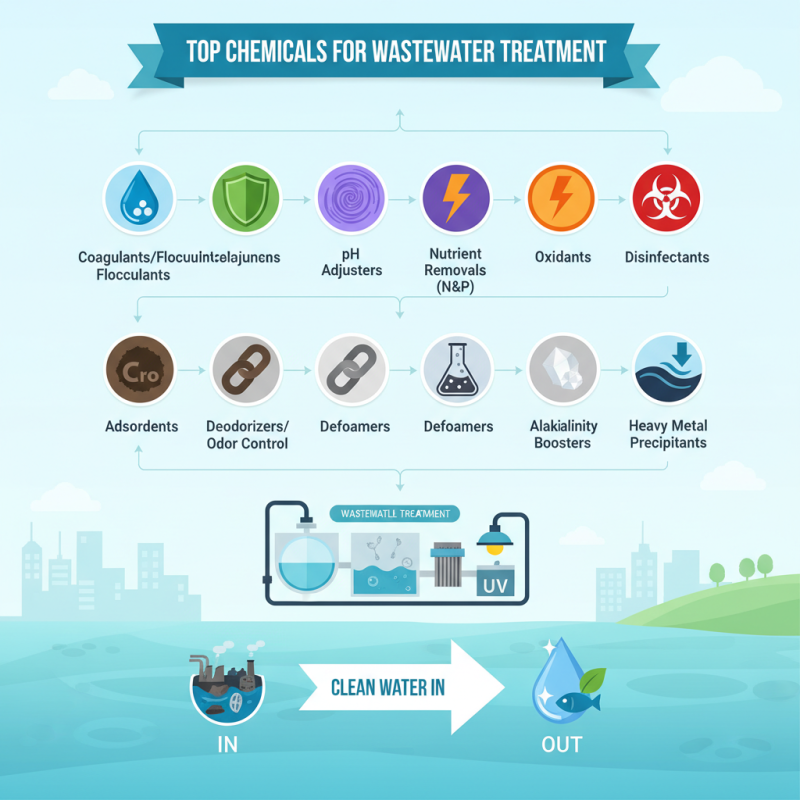
Essential Wastewater Chemicals for Treatment Process Efficiency
Wastewater treatment relies heavily on specific chemicals to enhance process efficiency. These chemicals help in various stages, from coagulation to disinfection. Coagulants, for instance, play a vital role in aggregating particles in water, facilitating their removal. They improve sedimentation and clarification, making the whole process smoother.
Flocculants also deserve attention. They assist in creating larger flocs, which settle more quickly. This is crucial in reducing the overall treatment time and energy consumption. Yet, reliance on these materials raises concerns. Overuse can lead to chemical imbalances and unforeseen side effects in the treated water. Striking a balance is key.
Chlorine is widely used for disinfection. However, its byproducts can be harmful if not managed correctly. Alternatives like UV light offer less harmful treatment, yet require careful installation and maintenance. Each chemical has its pros and cons. A thoughtful approach is essential for effective wastewater management, ensuring both efficiency and safety. Understanding the specific needs of your treatment facility is crucial.
Coagulation and Flocculation Agents: Key Contributors to Clarification
Coagulation and flocculation agents play a critical role in wastewater treatment. These chemicals help in removing suspended solids and impurities from water. They operate through a simple yet effective mechanism: neutralizing charges of particles. This neutralization promotes the aggregation of smaller particles into larger clusters called flocs.
The process begins with the addition of coagulants. These substances attract and bind particles together. The result is a mass that can settle out of the water quicker and more efficiently. Flocculants follow, enhancing the settling process. They act like glue, helping flocs to combine and grow larger. This increases the removal efficiency of the treatment system.
In practice, operators often face challenges with optimizing dosages. Too much or too little can lead to poor performance. Moreover, factors like water temperature and pH can influence effectiveness. A thorough understanding of these agents and their interaction with other treatment chemicals is crucial. It’s a delicate balance requiring constant monitoring and adjusting.
Top 10 Wastewater Chemicals You Need for Effective Treatment
| Chemical Name | Function | Application | Dosage Range (mg/L) | Efficiency (%) |
| Aluminum Sulfate | Coagulation | Drinking Water Treatment | 20-200 | 85-90 |
| Ferric Chloride | Coagulation | Wastewater Treatment | 10-100 | 80-85 |
| Polymer (Cationic) | Flocculation | Sludge Treatment | 2-50 | 75-95 |
| Calcium Carbonate | Neutralization | Industrial Effluent | 100-1000 | 70-80 |
| Sodium Hypochlorite | Disinfection | Sewage Treatment | 5-50 | 90-95 |
| Ferric Sulfate | Coagulation | Water Treatment | 15-150 | 80-90 |
| Lime (Calcium Hydroxide) | pH Adjustment | Wastewater Neutralization | 50-500 | 75-85 |
| Activated Carbon | Adsorption | Organic Pollutant Removal | 20-200 | 70-95 |
| Polyacrylamide | Flocculation | Clarification | 1-10 | 85-90 |
| Sodium Bicarbonate | pH Buffer | Water Treatment | 25-250 | 75-80 |
Disinfection Chemicals: Ensuring Water Safety and Quality
Disinfection chemicals play a crucial role in wastewater treatment. They ensure the safety and quality of water before it re-enters the environment or is reused. Commonly used disinfection agents include chlorine, ozone, and UV light. Each of these chemicals has its own benefits and drawbacks.
Chlorine is widely recognized for its effectiveness. It eliminates bacteria quickly. However, chlorine can create harmful byproducts. Ozone, on the other hand, acts without leaving any residual chemicals in the water. Still, it requires careful handling and monitoring.
UV light is also a powerful option. It is safe and does not alter water chemistry, but cannot penetrate turbid water effectively.
Choosing the right disinfection method involves weighing these factors.
Facilities often struggle with the balance between
efficiency and
safety. It’s essential to remain vigilant. Regular testing and adjustments ensure that treated water meets safety standards. Proper training for personnel handling these chemicals is also vital.
Mistakes can lead to serious health risks. Implementing a robust monitoring system can help avoid these pitfalls.
pH Adjusters: Maintaining Optimal Conditions for Chemical Reactions
pH adjusters play a crucial role in wastewater treatment. They help maintain optimal conditions for various chemical reactions. Proper pH levels ensure that other treatment chemicals work effectively. If the pH is too high or too low, it can hinder the overall process. Therefore, monitoring and adjusting pH should be a priority.
Consider this tip: regularly test the pH levels using reliable testing kits. This helps catch any imbalances early. You can use simple titration methods for quick adjustments. Consistency is key when it comes to pH management. Fluctuations can lead to ineffective treatments.
Another important aspect is understanding the local wastewater characteristics. Different sources may require specific pH targets. Not all wastewater behaves the same, and adjustments may vary. It's essential to customize your approach based on the unique composition of the influent. Be open to trial and error; this can lead to better strategies over time.
Nutrient Management: Balancing Carbon, Nitrogen, and Phosphorus Levels
Effective nutrient management is crucial in wastewater treatment. Balancing carbon, nitrogen, and phosphorus (C, N, and P) ensures optimal conditions for microbial activity. This balance prevents issues like algae blooms or nutrient deficiencies. Monitoring these levels can help maintain healthy ecosystems.
Regular testing is essential. Use reliable methods to determine C, N, and P concentrations. This helps in making informed decisions. Adjustments might be needed based on the specific characteristics of your wastewater. Sometimes, unexpected fluctuations occur, so always be prepared to reassess.
Tips: When adjusting nutrient levels, small changes can make a big difference. Gradually introduce amendments to avoid shock to the microbial population. Also, consider combining different nutrient sources for a more balanced approach. Keep records of your adjustments to identify patterns over time.
