
Choosing the right lighting can shape a room before furniture arrives. Brass Lights offer more than a warm metallic finish. They can create visual focus, improve atmosphere, and support a carefully planned interior scheme.
In residential projects, brass fixtures often soften hard materials such as stone, glass, and concrete. Their golden tone can make dining areas feel welcoming and entryways feel more considered. Designers also value brass for its strength, repairability, and ability to develop character over time. However, not every brass finish behaves the same way. Lacquered brass usually keeps a consistent appearance, while unlacquered brass gradually darkens through handling and air exposure. That change may look beautiful, but it needs client approval.
Practical details matter. Check the fixture’s dimensions, lamp compatibility, mounting method, and electrical specifications before ordering. A pendant that looks balanced in a showroom may feel oversized above a small table. A wall light may cast harsh shadows if its shade is too narrow. Brass Lights can also feel heavy, so secure installation is essential, especially on older walls or ceilings. Quality manufacturing, documented testing, and clear warranty information provide stronger reassurance than appearance alone. Finish samples are worth requesting. Photographs can mislead.
There is one honest limitation. Brass may require more care than painted steel or aluminum. Fingerprints, moisture, and abrasive cleaners can affect its surface. Still, with suitable maintenance and thoughtful placement, brass lighting can become a durable design feature rather than a temporary trend. The best choice is not always the brightest or most decorative. It is the fixture that fits the space, the user, and the project’s long-term expectations.
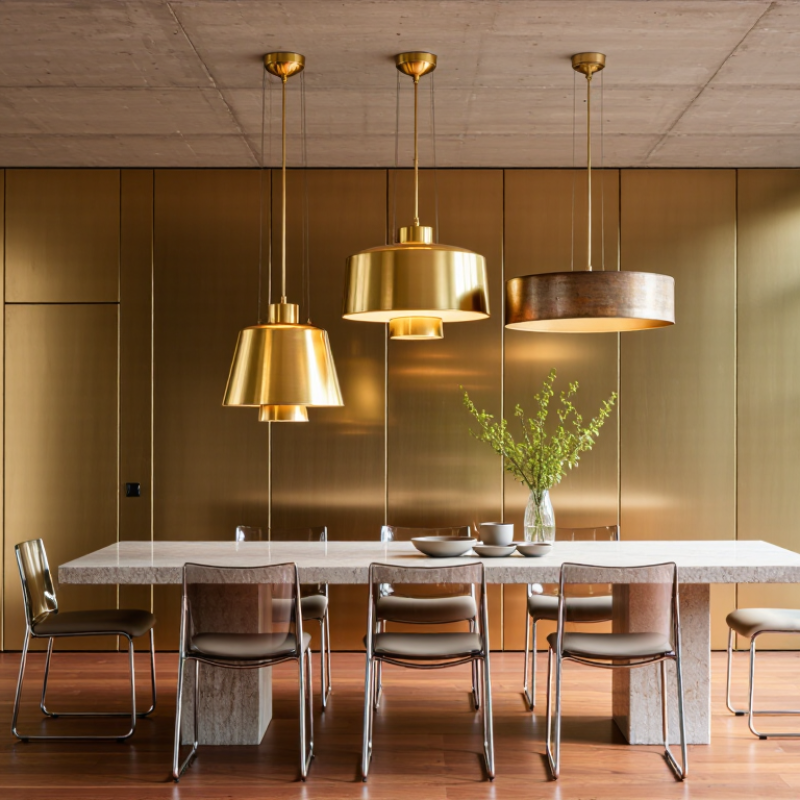
Why Choose Brass Lights for Your Project?
What Brass Lighting Is and How It Is Made
Brass lighting is made from brass, an alloy of copper and zinc. Its warm color can range from pale gold to deep antique brown. Unlike painted steel, brass can develop a natural patina over time. That change is part of its character, though it may not suit every interior.
Manufacturing usually begins with brass sheet, tube, or cast components. Craftspeople cut, shape, drill, and join each part. Some pieces are spun by hand, while others require precision machining. The surface may be brushed, polished, lacquered, or chemically aged. Then, electricians install sockets, wires, insulation, and mounting hardware. Each completed fixture should undergo electrical and mechanical safety checks. Small finishing marks can remain. They are not always defects, but quality control still matters.
Tips: Ask about the brass alloy, surface finish, and maintenance requirements. Check whether the fixture suits your local electrical standards. For humid rooms, confirm that the finish resists tarnishing and corrosion. A soft dry cloth usually works best. Avoid abrasive cleaners. Brass can be beautiful, but it is not maintenance-free. Evaluate the weight, heat control, and installation support before choosing a large fixture.
What Brass Lighting Is and How It Is Made
Brass lighting is commonly made from copper-zinc alloys that can be cut, stamped, spun, forged, or cast before polishing and finishing. The chart shows representative nominal compositions of widely used brass alloys. Higher copper content generally supports corrosion resistance and warm color, while lead-containing free-machining brass is easier to machine for detailed components. Tin-bearing naval brass improves resistance in demanding environments.
Brass lights suit projects that need warmth, durability, and a visible material story. In residential interiors, their golden surface softens stone, timber, and painted walls. A small brass pendant can make a kitchen island feel more considered. In hospitality spaces, aged brass adds texture without demanding excessive decoration. It also works well in restaurants, boutique hotels, and reception areas where guests notice fixtures at close range.
Material choice still needs technical judgment. Brass is not maintenance-free. Fingerprints, moisture, and cleaning chemicals can change its finish. Unlacquered brass develops a natural patina, while sealed finishes usually keep a more consistent appearance. Project teams should request finish samples and test them under the intended cleaning routine. That step is often skipped. It should not be.
Brass fittings can support long-life LED systems, especially in corridors, retail displays, and heritage-inspired renovations. The U.S. Department of Energy reports that LED lighting can use at least 75% less energy than incandescent lighting and last far longer. The U.S. General Services Administration also identifies lighting controls and efficient sources as major strategies for reducing building energy demand. These savings come from the light source, not the metal, but a durable brass body can reduce visual replacement pressure. For coastal or humid projects, engineers should check alloy selection, coating performance, and electrical protection. The International Association of Lighting Designers stresses that lighting quality depends on context, glare control, and human comfort. Brass alone cannot solve poor illumination.
Why Choose Brass Lights for Your Project?
Choosing the right brass finish changes how a room feels over time. Polished brass reflects sharp highlights and suits refined interiors. Brushed brass softens glare and hides small fingerprints. Unlacquered brass develops a natural patina, but its color will not remain uniform. That variation can add character. It can also surprise clients who expect a fixed finish. Request a physical sample and view it beside the floor, walls, and hardware. Warm lighting may make brass look deeper than it appears in daylight.
The fixture’s style should support the room’s scale, not compete with it. A slim brass pendant works above a small table, while a broader chandelier needs visual breathing space. Check the mounting height carefully. I once selected a beautiful low pendant that blocked sightlines across a dining area. The finish was right, but the proportion was wrong. Small details matter, including canopy size, arm thickness, and shade opacity.
Light source selection affects comfort, color, and maintenance. LEDs around 2700K create a warm residential glow, while 3000K gives kitchens and workspaces cleaner definition. Choose a high color-rendering index when fabric, artwork, or food must look accurate. Confirm lumen output, dimming compatibility, and replacement access before installation. Integrated LEDs can look seamless, but repairs may require replacing the whole module. Replaceable lamps offer flexibility, though they may reveal more hardware. Check local electrical requirements and the fixture’s damp-location rating for kitchens, bathrooms, and covered outdoor areas.
Brass lights suit projects where material character matters, but durability depends on the environment. Brass resists ordinary indoor corrosion and develops a visible patina over time. That aging is not always a defect. In coastal air, however, salt can accelerate surface discoloration. I have seen a polished fixture lose its bright finish within months near an open balcony. The material was sound. The finish choice was not.
Maintenance is usually simple, but it is not maintenance-free. Dust can be removed with a soft, dry cloth. Mild soap works for sealed surfaces. Abrasive pads may scratch lacquer or remove the intended patina. The Copper Development Association notes that copper alloys naturally oxidize when exposed to air and moisture. This supports a practical inspection cycle: check finish damage, loose fasteners, and moisture marks every six to twelve months. That interval may need adjustment. Real sites are rarely predictable.
Installation requires more than visual planning. Confirm the fixture’s weight, mounting surface, junction-box capacity, and grounding path before delivery. NFPA 70 requires lighting equipment to be installed safely and connected to an effective grounding system. The U.S. Department of Energy’s 2020 U.S. Lighting Market Characterization reported LEDs represented about 48% of installed lighting stock. Therefore, brass housings should be checked for LED driver space, heat management, and wiring compatibility. A compact canopy can look elegant, yet leave cramped terminals. That is an avoidable mistake. Always follow the product’s certified installation instructions and local electrical requirements.
Why Choose Brass Lights for Your Project?
Matching Brass Lights With Project Budgets and Design Goals
Brass lights can support both visual identity and practical project planning. Their warm surface works well in hospitality areas, residential kitchens, and reception spaces. I usually compare the fixture cost with installation, lamps, controls, and future maintenance. A lower purchase price may not reduce the final budget. Check the full lighting schedule before choosing a finish. Small details matter.
For tighter budgets, use brass lighting as an accent rather than covering every ceiling point. A pair of wall lights beside a mirror can create impact with fewer fixtures. In larger rooms, combine one decorative brass pendant with simpler recessed lighting. This approach protects the budget while keeping the design intentional. Soft warm light often suits brass better than very cool light, which can make the metal appear dull.
Design goals still need technical discipline. Confirm the fixture’s dimensions, mounting method, light output, and cleaning requirements. A polished finish may show fingerprints quickly. An aged finish can hide wear, but its color may vary between batches. I once selected a beautiful finish without checking nearby hardware. It looked mismatched after installation. That mistake reinforced a useful habit: request physical samples and test them under the project’s actual lighting. Brass is not always the safest choice. It can feel excessive in a minimal space unless its form remains restrained.
The following planning guide compares common brass lighting applications. Cost ranges are indicative USD estimates per fixture for residential and light commercial projects and may vary according to size, construction, electrical requirements, labor, and local market conditions.
| Project Budget Level | Primary Design Goal | Recommended Brass Finish | Suitable Fixture Types | Indicative Fixture Cost (USD) | Expected Service Life | Maintenance Requirement | Best-Fit Project Areas | Why Brass Works Well |
|---|---|---|---|---|---|---|---|---|
| Value-conscious | Introduce warm metallic detail without making lighting the main visual feature. | Brushed or satin brass | Simple pendants, flush mounts, small wall sconces | $60–$180 | Approximately 10–15 years with normal indoor use | Dust with a soft, dry cloth; avoid abrasive cleaners and excess moisture. | Entryways, bedrooms, hallways, rental upgrades | Brass-look finishes can provide a warm appearance at a lower initial cost while coordinating well with neutral interiors. |
| Mid-range | Create a noticeable focal point while maintaining practical installation and operating costs. | Aged or antique brass | Multi-light pendants, lanterns, Vanity Lights, medium chandeliers | $180–$600 | Approximately 15–20 years with appropriate care | Clean periodically with a damp microfiber cloth; check mounting hardware during routine maintenance. | Kitchens, dining rooms, living rooms, boutique hospitality spaces | The slightly varied appearance of aged brass helps conceal minor fingerprints and complements wood, stone, and painted surfaces. |
| Premium | Deliver stronger material presence, refined detailing, and a coordinated decorative scheme. | Polished or unlacquered brass | Statement chandeliers, sculptural pendants, decorative sconces | $600–$1,500 | Approximately 20–30 years when properly installed and maintained | Use a manufacturer-approved brass cleaner only when needed; unlacquered brass may develop a natural patina. | Dining areas, reception spaces, luxury residences, feature staircases | Solid brass components and detailed fabrication can add visual depth and support a long-term, timeless design direction. |
| High-end custom | Achieve a distinctive architectural centerpiece tailored to the scale and character of the project. | Custom aged, brushed, or patinated brass | Large chandeliers, linear systems, custom wall lighting, clustered pendants | $1,500–$5,000+ | Approximately 25–40 years, depending on construction and servicing | Use a documented cleaning schedule; inspect electrical connections, suspension systems, and finish condition periodically. | Hotels, restaurants, luxury developments, public-facing feature spaces | Custom brass lighting can reinforce architectural identity, provide visual hierarchy, and be coordinated with other metal details. |
| Renovation-focused | Refresh an existing interior while preserving selected architectural or decorative elements. | Soft brushed brass | Replacement sconces, cabinet lights, compact pendants, picture lights | $90–$350 | Approximately 10–20 years, subject to existing wiring and installation quality | Confirm compatibility with existing electrical boxes; clean gently and keep ventilation openings clear. | Historic renovations, apartments, retail refreshes, home remodeling | Brass adds warmth and contrast without requiring a complete change to floors, cabinetry, or wall finishes. |
| Low-maintenance commercial | Balance a professional appearance with durability and straightforward facility upkeep. | Protective satin brass finish | Linear pendants, surface-mounted lights, corridor sconces | $150–$700 | Approximately 15–25 years, depending on usage and environment | Use non-abrasive cleaning products; specify suitable ratings for humidity, impact, and operating hours. | Offices, restaurants, corridors, common areas, reception desks | A durable protective finish can reduce visible wear while the warm tone makes commercial environments feel less institutional. |
| Coastal or humid interior | Use warm metal accents while managing exposure to moisture and airborne contaminants. | Sealed brass or brass-tone finish | Bathroom sconces, covered-entry lanterns, vanity lights | $120–$650 | Approximately 10–20 years, depending on environmental exposure | Choose fixtures with appropriate damp-location ratings; wipe away condensation and salt residue promptly. | Bathrooms, covered patios, coastal residences, spa interiors | Brass pairs naturally with tile, stone, and wood, but sealed finishes and suitable location ratings are important in humid areas. |