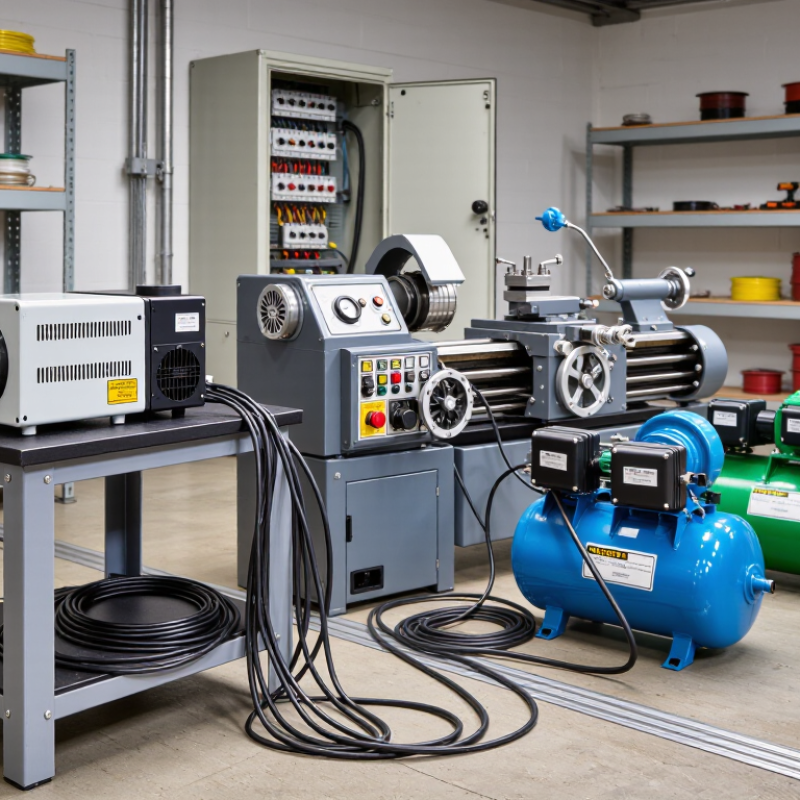
Choosing the right single to 3 phase converter begins with the equipment you need to run. A workshop lathe, air compressor, or irrigation pump may each have different starting demands. Check the motor’s nameplate for voltage, horsepower, full-load current, and phase. Then consider how often the machine starts and whether it runs alone or alongside other equipment. These details shape the converter type and capacity.
A reliable recommendation should come from someone with relevant, verifiable experience. No source material was provided for a real specialist’s quotation, so a named expert quote should not be invented. Add a verified quotation here: “[Insert an exact statement from a named power-conversion or motor-control specialist, with a source].” That small omission matters. A polished guide should not borrow authority it cannot substantiate.
The seven tips ahead will help compare converter options, match ratings to motor requirements, and check practical installation needs. Look beyond the largest horsepower number on a product page. A converter that starts a motor smoothly may be a better fit than one chosen by rating alone. Pay attention to enclosure location, wiring requirements, load balance, and the manufacturer’s guidance. Measure twice. Ask questions. Real installations can be less tidy than spec sheets suggest, so leave room to verify assumptions with a qualified electrical professional before buying.
A single-to-three-phase converter takes power from a single-phase supply and produces three-phase power for compatible equipment. The exact process depends on the converter type. An electronic unit typically changes incoming AC to DC, then switches it to create three-phase output. A rotary converter uses a motor-generator arrangement to create the additional phases. The output is not always identical to utility-supplied three-phase power, so check the equipment’s voltage and frequency requirements.
Think about the load, not just the motor’s nameplate rating. A compressor starting under pressure may need much more power briefly than it uses while running. A small workshop lathe may behave differently. Converter capacity, starting current, and phase balance all matter. That sounds simple. It isn’t always. Some machines also need the converter sized for their controls or auxiliary components.
Before choosing a unit, compare its input and output ratings with the machine’s specifications. Confirm whether it supports the required voltage, frequency, and starting method. Installation should follow the converter instructions, with suitable wiring and overload protection. If you are unsure, ask a qualified electrician to review the setup. A converter can make single-phase power useful for three-phase equipment, but it cannot correct every undersized supply or unsuitable machine configuration.
Assessing Your Equipment’s Power and Phase Requirements
Before choosing a single-to-three-phase converter, read each machine’s nameplate and manual. Note its voltage, frequency, phase, full-load current, and motor horsepower. Check the supply voltage too; a mismatch can cause poor performance or damage. Check the nameplate.
Tip: Size for the real load, not just the headline horsepower. Motors can draw a brief surge when starting, and several machines starting together may need more capacity. Record which equipment runs at the same time. If the starting-current details are unclear, ask a qualified electrician or equipment technician to verify them.
Tip: Look closely at how the equipment behaves in use. A machine with controls, pumps, or multiple motors may have different requirements from a simple motor. Confirm whether its manual specifies a suitable converter type, and consider duty cycle and expected run time. Measure under load. I find nameplates easy to misread when they are dusty or tucked behind a guard, so double-check unclear figures against the manual. A little uncertainty is worth resolving before purchase.
Converter types behave differently under load, so compare more than the phase label. A static converter uses capacitors to start a three-phase motor, which then runs with reduced output. It is compact and often inexpensive, but may struggle with repeated starts or demanding workloads. It is simple.
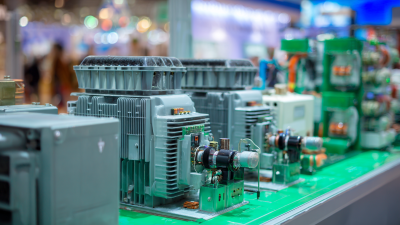
Rotary converters use an idler motor to produce three-phase power and can serve several machines when correctly sized. A lathe and compressor may run at different times, but simultaneous use changes the load. Expect extra floor space, idle power use, and mechanical noise. Listen for vibration. Check the converter’s rating against the largest motor’s starting demand, not just its running current.
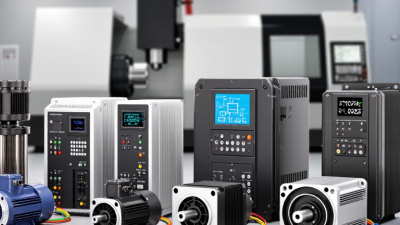
Digital converters offer adjustable frequency and soft starts, useful when a motor needs speed control. Many are designed for one motor, rather than powering an entire workshop. That distinction is easy to miss. Sizing charts help, yet they may not reflect a machine’s real starting load or duty cycle. Compare voltage, current limits, overload protection, and wiring requirements. Have a qualified electrician verify the installation and supply capacity before connecting equipment.
This idealized waveform shows three balanced phase voltages, each separated by 120°. It is a reference for understanding three-phase power, not a measured output trace for any particular converter.
Converter types: Static converters use capacitors to start a three-phase motor, typically with reduced available motor power. Rotary converters generate a third phase using a rotating machine and can supply multiple loads, depending on sizing and load balance. VFDs convert input power to variable-frequency three-phase output and are generally intended to control a single motor. Before choosing, check the equipment’s voltage, full-load current, starting requirements, duty cycle, and the converter’s input and output ratings.
A converter that looks adequate on paper can still struggle when a motor starts under load. Check the equipment nameplate for voltage, frequency, phase, and full-load current. Compare those figures with the converter’s continuous rating, not just its peak rating. Motors may draw several times their running current at startup. Leave capacity for that surge and for other equipment operating at the same time. A compressor starting while a pump is running can expose a sizing mistake quickly. Measure twice.
Compatibility is more than matching voltage. Confirm that the converter’s output suits the motor and any connected controls, sensors, or electronic drives. Some sensitive equipment may need a specific phase balance or waveform; ask the equipment maker or a qualified electrician if the specifications are unclear. Check the installation conditions too: enclosure rating, ventilation, grounding, and local disconnect requirements all matter. Heat builds up in a cramped cabinet. It is easy to overlook. Use correctly rated overcurrent and overload protection, and verify that wiring and protective devices match the converter instructions. If the supply or load details are uncertain, have a qualified electrician inspect the setup before energizing it.
Plan the installation around the actual equipment, not just its nameplate horsepower. Record each motor’s voltage, full-load current, and starting requirements, then consider which machines may run together. A compressor starting under load can demand far more than its steady operating current. That detail is easy to miss. Confirm the converter’s capacity and output match the intended loads, and check whether sensitive controls need a specific supply type.
Before installation, review the manufacturer’s wiring instructions and the site’s electrical service capacity. A qualified electrician can verify conductor sizing, overcurrent protection, grounding, and disconnect placement. Leave room around the unit for airflow and inspection; a converter tucked beside a dusty wall may run hotter than expected. Keep the area dry and accessible. The neatest layout is not always the easiest one to maintain.
Long-term reliability depends on ordinary checks. Follow the service schedule, keep ventilation openings clear, and inspect for unusual heat, vibration, loose connections, or changed operating sounds. Disconnect power before any internal inspection, and leave electrical testing to trained personnel. Keep a simple log of operating hours, alarms, and repairs. It may feel fussy, but it helps reveal gradual changes. Revisit capacity when adding equipment, too; a setup that works for one machine may struggle when production habits change.
| Tip | What to Check | Planning and Installation Guidance | Maintenance and Long-Term Use |
|---|---|---|---|
| 1. Confirm the load requirements | Read each motor’s nameplate for voltage, phase, frequency, current, horsepower or kilowatts, and full-load requirements. | List all equipment that may run at the same time. Include starting loads, because a motor can draw substantially more current while starting than while running. | Keep a record of connected equipment and nameplate details. Recheck converter capacity before adding or changing a load. |
| 2. Match the converter type to the application | Compare rotary converters, static converters, and variable-frequency drives (VFDs). Their output characteristics and suitable applications differ. | Rotary converters can supply three-phase power to multiple compatible loads when correctly sized. Static converters may reduce available motor output and are generally suited to limited applications. A VFD is commonly selected to control a single motor’s speed. | Use the converter within its stated operating limits. Do not assume that different converter types provide the same output or motor performance. |
| 3. Verify voltage and frequency compatibility | Check the incoming single-phase supply and the required three-phase voltage and frequency against the converter and equipment ratings. | Confirm that the motor is suitable for the supplied voltage and frequency. Follow the converter manufacturer’s instructions for output connections and any voltage-balancing requirements. | Investigate unexpected heating, noise, or poor performance promptly. These symptoms can indicate a mismatch, overload, or other electrical or mechanical issue. |
| 4. Size for starting and simultaneous operation | Review the converter’s rated capacity, starting capability, duty rating, and any restrictions on multiple motors or unbalanced loads. | Use the converter manufacturer’s sizing guidance and the actual motor data. Account for which motors may start or run together; a rating based only on total running horsepower may not be sufficient. | Reassess sizing if operating patterns change or additional machinery is connected. Avoid routine operation above the converter’s specified rating. |
| 5. Plan a safe, code-compliant installation | Consider supply capacity, conductors, overcurrent protection, disconnecting means, grounding, enclosure rating, and local electrical requirements. | Have a qualified electrical professional select and install protective devices and wiring in accordance with the equipment instructions and applicable codes. Provide the required working clearance. | Before inspection or service, equipment should be isolated from power and verified de-energized by qualified personnel. Keep wiring diagrams and installation records available. |
| 6. Provide suitable location and ventilation | Check the converter’s specified ambient temperature, ventilation clearances, enclosure protection, and environmental limits. | Install the unit in a clean, dry location with adequate airflow. Avoid blocking vents or placing it where dust, moisture, corrosive materials, or excessive heat can affect operation. | Inspect vents and cooling areas regularly and remove dust using methods permitted by the equipment instructions. Look for signs of overheating or unusual vibration. |
| 7. Budget for maintenance and future needs | Review service requirements, expected operating hours, spare-parts availability, expansion plans, and the cost of downtime. | Choose a capacity and configuration that suit the planned duty rather than relying on an assumed future upgrade. Confirm warranty conditions and service access before installation. | Follow the manufacturer’s inspection schedule. Keep a log of alarms, repairs, operating changes, and performance issues to help identify developing problems. |